Best Practices for Web Design and Development
In today’s digital landscape, having a strong online presence is crucial for businesses to succeed. To stand out from the competition and attract more customers, it’s essential to invest in high-quality web design and development. Here are some best practices to consider:
Responsive Design
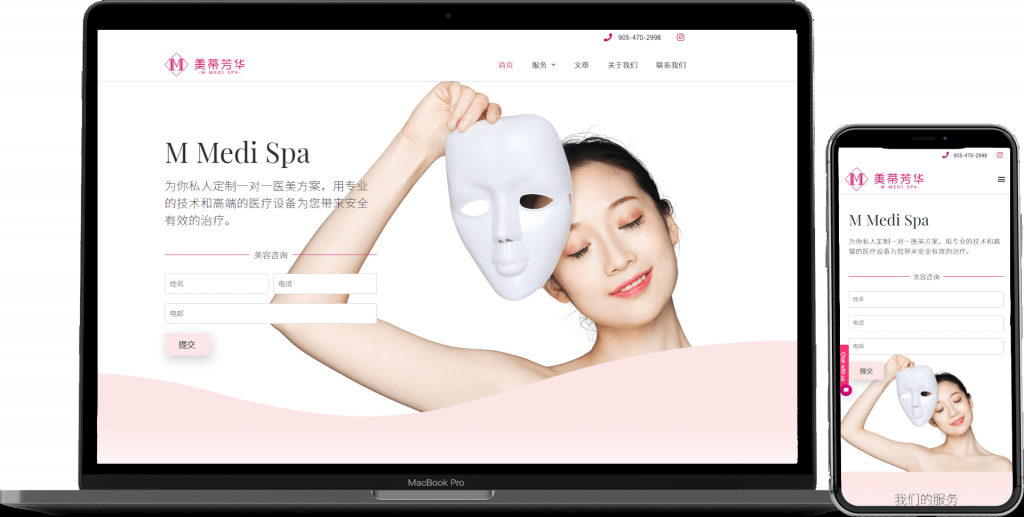
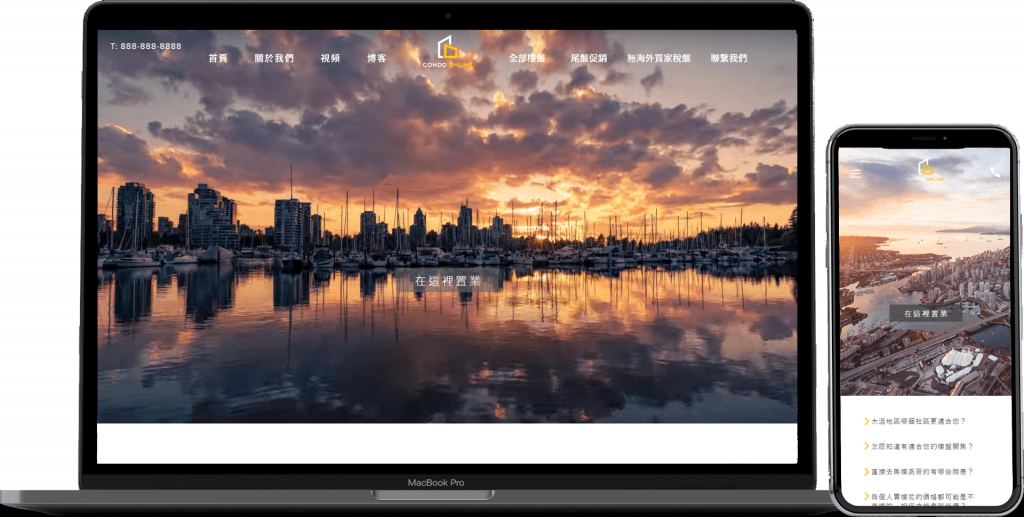
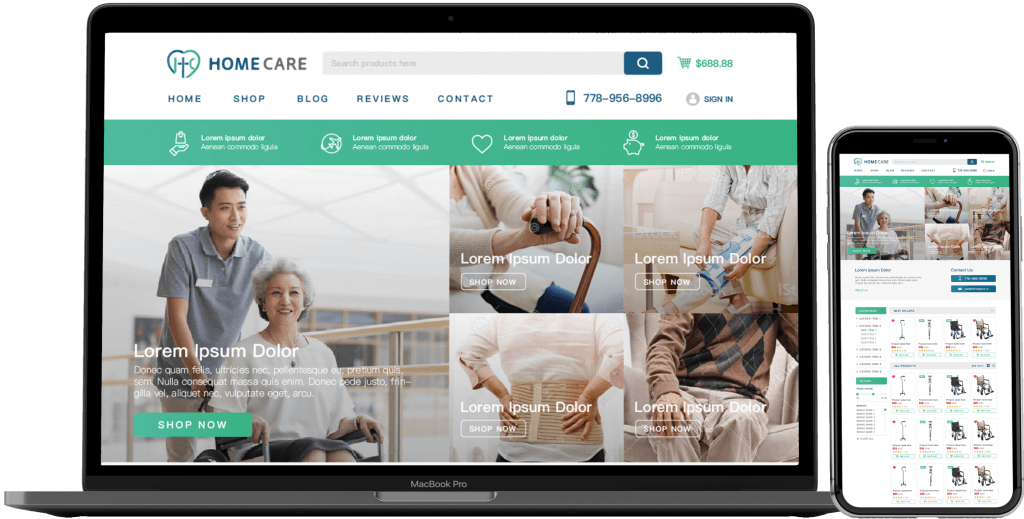
With the increasing use of smartphones and tablets, ensuring your website is responsive and mobile-friendly is non-negotiable. Responsive design allows your site to adapt to different screen sizes, providing an optimal viewing experience for users.
Fast Loading Speed
No one likes waiting for a website to load. Slow loading times can lead to high bounce rates and frustrated users. Optimize your site’s performance by minimizing HTTP requests, optimizing images, and using efficient coding practices.
Intuitive Navigation
A well-structured navigation system helps users easily find what they’re looking for on your website. Keep menu options clear and concise, and ensure that visitors can navigate from one page to another seamlessly.
Quality Content
Content is king when it comes to engaging visitors and improving search engine rankings. Create high-quality, relevant content that provides value to your audience. Use clear headings, bullet points, and visuals to make your content more digestible.
Optimized for SEO
Search engine optimization (SEO) is essential for driving organic traffic to your website. Use relevant keywords, meta tags, and alt text for images to improve your site’s visibility in search engine results.
Engaging Visuals
Visual elements such as images, videos, and infographics can enhance the user experience and make your website more visually appealing. Incorporate high-quality visuals that are relevant to your brand and content.
Accessibility
Make sure your website is accessible to all users, including those with disabilities. Use descriptive alt text for images, provide captions for videos, and ensure that your site is navigable using keyboard controls.
Continuous Testing and Optimization
Regularly test and optimize your website to identify areas for improvement. A/B testing, heatmaps, and user feedback can help you understand how users interact with your site and make data-driven decisions to enhance their experience.
By following these best practices for web design and development, you can create a user-friendly, visually appealing, and high-performing website that drives traffic and boosts conversions.