The Power of Responsive Design
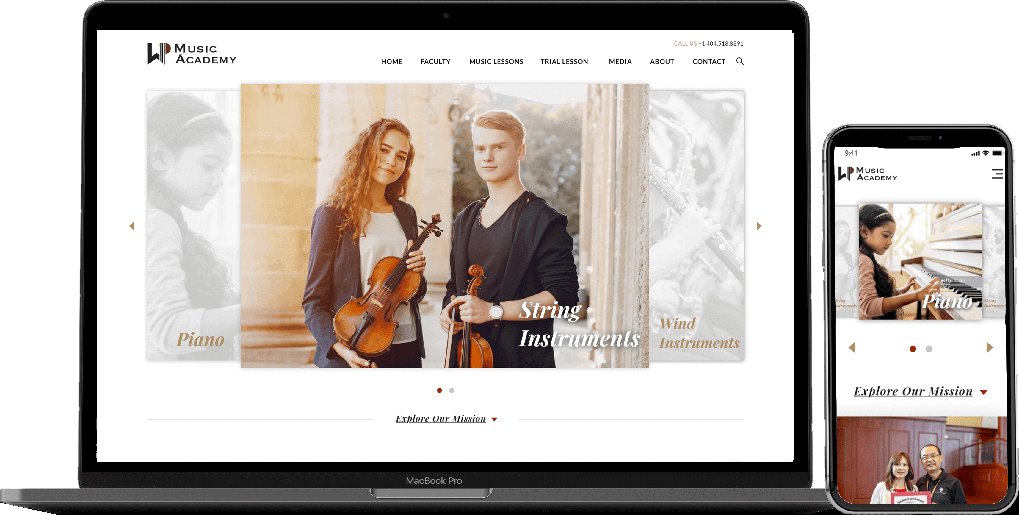
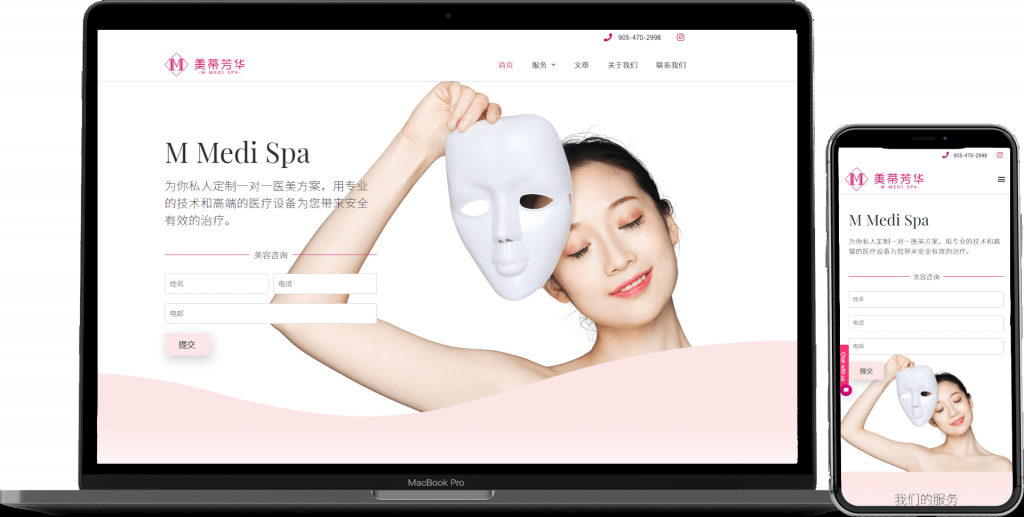
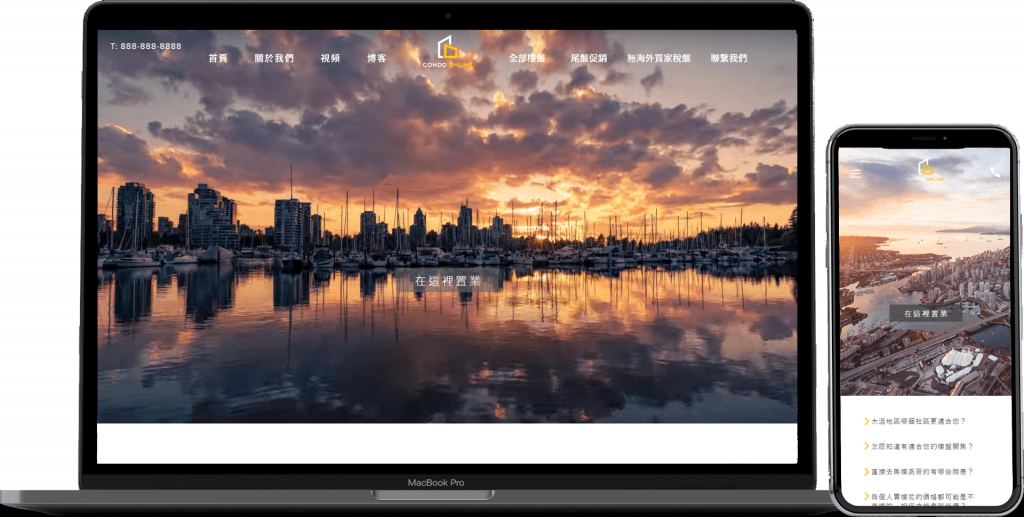
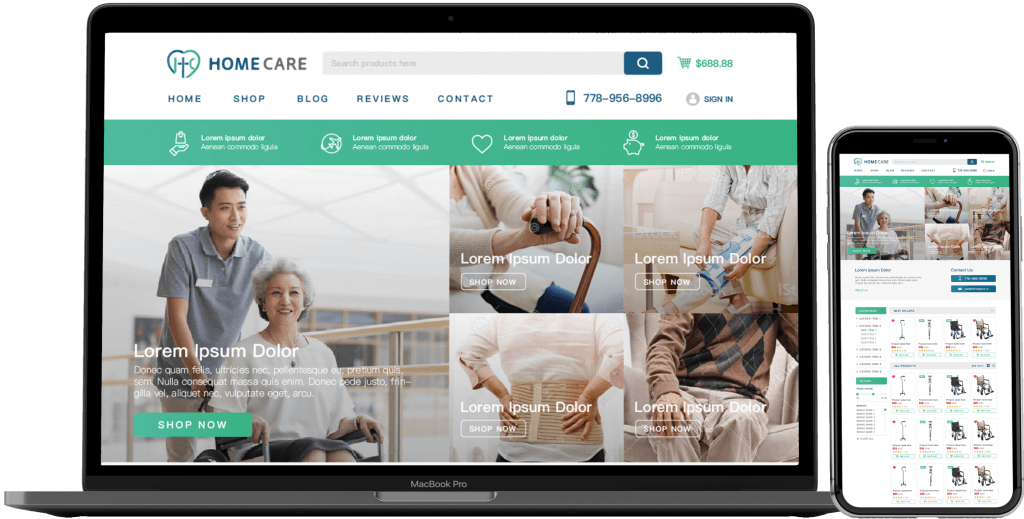
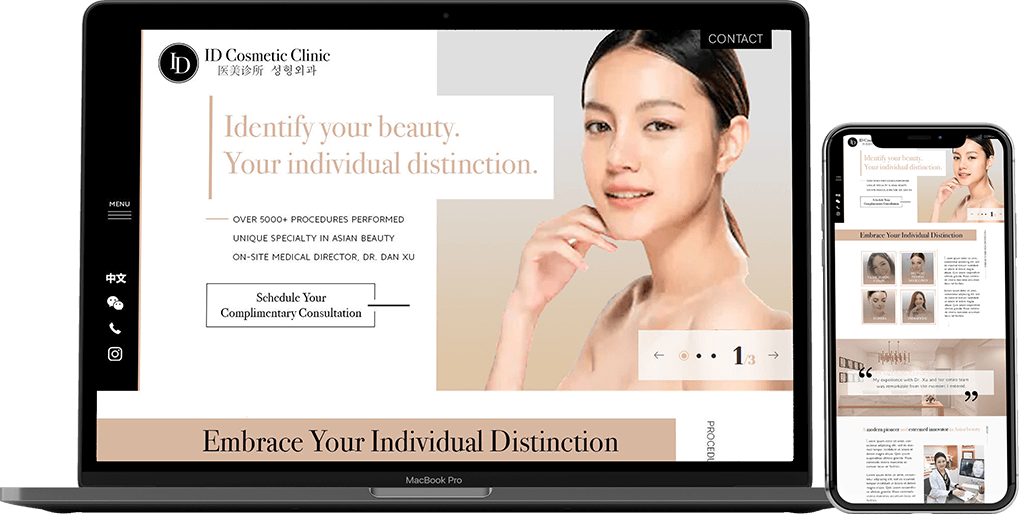
Responsive web design is no longer just a trend—it’s a necessity. In today’s digital age, where users access content on a myriad of devices, from smartphones to large desktop screens, the need for websites to adapt seamlessly to different screen sizes is paramount. A responsive design ensures that your website looks great and functions well on any device, providing users with an optimal browsing experience.
But what exactly is responsive design? At its core, responsive design is a design approach that allows websites to dynamically adjust their layout and content based on the user’s screen size, orientation, and platform. By using fluid grids, flexible images, and media queries, responsive design enables websites to respond to the user’s behavior and environment, delivering a consistent and user-friendly experience across devices.
The Rise of Minimalism in Web Design
Minimalism has been a dominant trend in web design for several years now, and its popularity shows no signs of waning. In a cluttered online landscape, where users are bombarded with information and distractions, minimalist design offers a breath of fresh air. By stripping away unnecessary elements and focusing on simplicity and clarity, minimalist websites create a sense of calm and elegance that resonates with users.
One of the key principles of minimalism is “less is more.” Minimalist websites eschew flashy graphics, excessive text, and busy layouts in favor of clean lines, ample white space, and a limited color palette. By removing distractions and emphasizing the essential elements, minimalist design allows users to focus on the content and message of the website, enhancing readability and engagement.
The Importance of User-Centered Design
User-centered design (UCD) is a design philosophy that places the needs and preferences of the user at the forefront of the design process. By understanding the goals, motivations, and behaviors of users, designers can create websites that are intuitive, efficient, and enjoyable to use. UCD involves researching, testing, and iterating on design solutions to ensure that they meet the needs of the target audience.
One of the key principles of user-centered design is usability. Websites that prioritize usability are easy to navigate, intuitive to use, and accessible to all users, regardless of their devices or abilities. By focusing on usability, designers can create websites that offer a seamless and satisfying experience for users, leading to increased engagement, conversions, and customer satisfaction.