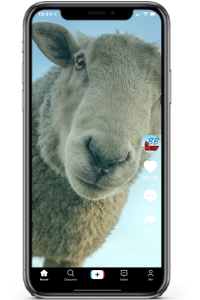
Revolutionizing Veterinary Care: The Impact of Social Media
Social media has become an integral part of modern communication, connecting people from all walks of life. However, its influence extends far beyond human interactions. In recent years, social media has been revolutionizing the way veterinary care is delivered, providing valuable resources and support to pet owners and professionals in the field.
With platforms like Facebook, Instagram, and Twitter, veterinary clinics and animal hospitals can now engage with a wider audience, sharing educational content, success stories, and promoting various services. Pet owners, in turn, have access to a plethora of information at their fingertips, ranging from tips on nutrition and exercise to updates on common pet ailments.
One of the key benefits of social media in the veterinary field is the ability to raise awareness about pet health issues and promote responsible pet ownership. Through impactful posts, clinics can highlight the importance of preventive care, vaccination schedules, and regular check-ups, ultimately contributing to the overall well-being of pets.
Furthermore, social media serves as a platform for community building among pet owners. Online forums and groups allow individuals to share their experiences, seek advice, and provide emotional support during challenging times. This sense of camaraderie fosters a supportive environment where individuals feel empowered to make informed decisions regarding their pets’ health.
The Role of Influencers in Veterinary Care
In addition to clinics and pet owners, social media influencers have played a significant role in shaping the landscape of veterinary care. Influencers, who often have large followings, can amplify important messages about pet health and well-being, reaching audiences that might not otherwise have access to such information.
By partnering with influencers, veterinary clinics can extend their reach and engage with new demographics. These collaborations can range from sponsored posts promoting specific services to educational campaigns addressing prevalent issues in the pet community.
Embracing Technological Innovation
As social media continues to evolve, so too does the technology that supports it. Veterinary practices are increasingly turning to virtual consultations, telemedicine, and online appointment scheduling to enhance the client experience and improve access to care.
Platforms dedicated to telemedicine allow pet owners to connect with veterinarians remotely, seeking advice on non-emergency issues or monitoring chronic conditions from the comfort of their homes. This shift towards digital services not only enhances convenience for clients but also helps clinics streamline their operations and provide more personalized care.
Conclusion
In conclusion, social media has emerged as a powerful tool in the realm of veterinary care, transforming the way information is shared, services are delivered, and communities are formed. By leveraging the reach and influence of social platforms, veterinary professionals can educate, inspire, and connect with a global audience, ultimately contributing to the well-being of pets worldwide.