The Evolution of Web Design: Embracing Innovation
Web design development has come a long way since the early days of static HTML websites. In today’s digital landscape, staying abreast of the latest trends is crucial for creating engaging and user-friendly online experiences. Let’s delve into some of the cutting-edge trends that are shaping the future of web design development.
Responsive Design: Catering to a Mobile Audience
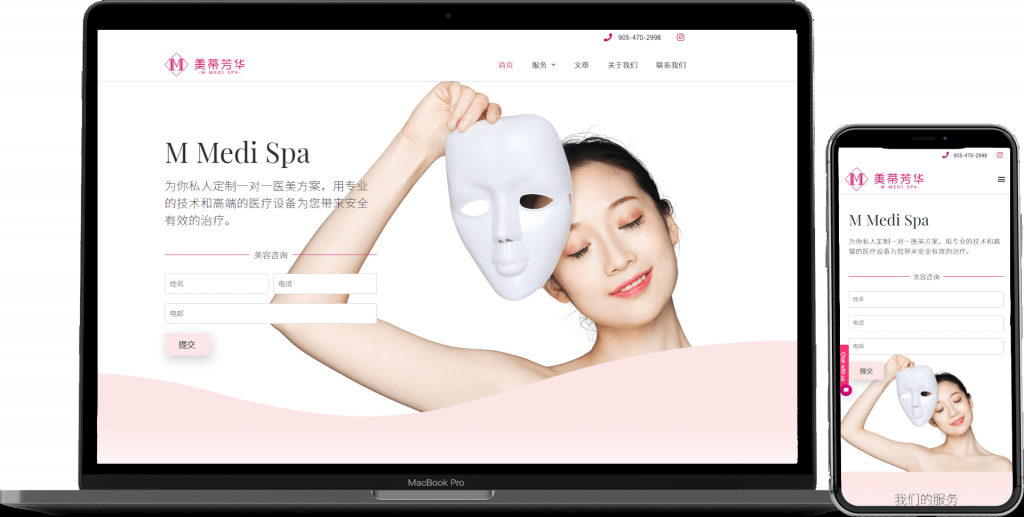
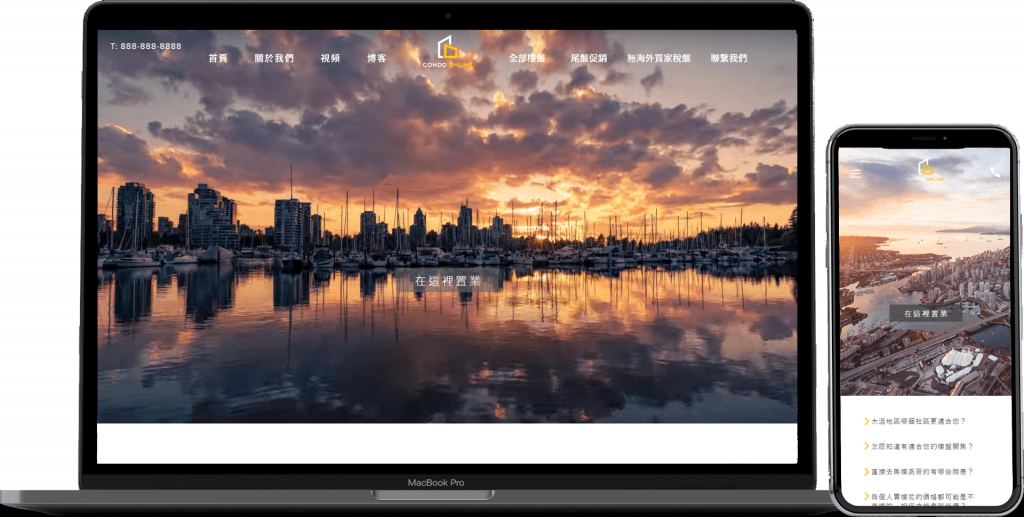
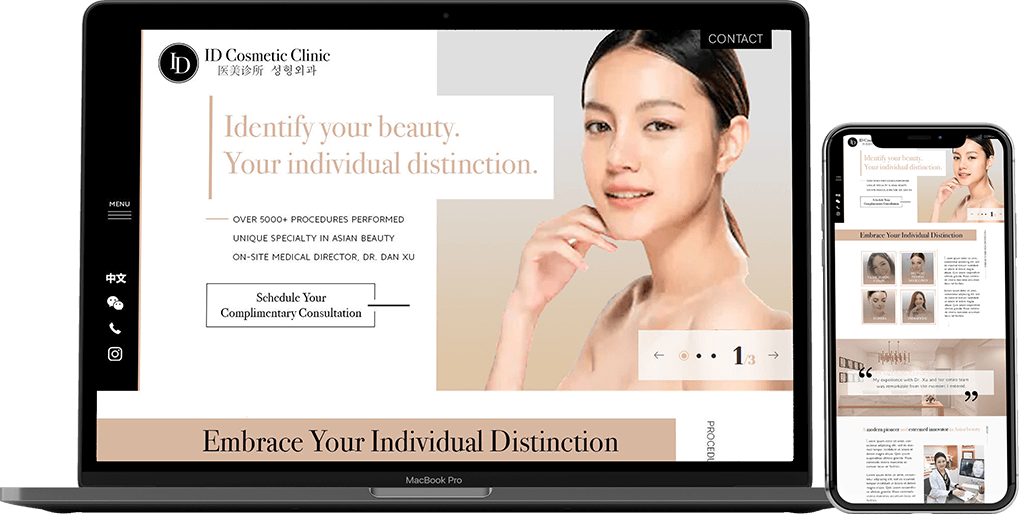
With the increasing use of mobile devices, responsive design has become a non-negotiable aspect of web development. Websites need to adapt seamlessly to various screen sizes and resolutions to provide a consistent user experience across devices.
Minimalism: Less is More
The minimalist approach to web design focuses on simplicity and clarity. By removing clutter and unnecessary elements, designers can create clean and elegant interfaces that emphasize content and functionality.
Dark Mode: Embracing the Dark Side
Dark mode has gained popularity as a sleek alternative to traditional light interfaces. Not only does it reduce eye strain in low-light environments, but it also adds a touch of sophistication to websites.
Microinteractions: Enhancing User Engagement
Microinteractions are subtle animations or visual cues that provide feedback and engage users. From hover effects to button animations, these small details can make a significant impact on user interaction.
Accessibility: Designing for Inclusivity
Accessible design ensures that websites can be used by individuals of all abilities. By implementing features such as alt text for images and keyboard navigation, designers can create inclusive web experiences.
Conclusion
In conclusion, web design development continues to evolve rapidly, driven by technological advancements and changing user expectations. By embracing innovative trends and best practices, designers can create websites that captivate audiences and deliver exceptional user experiences.