The Journey of Web Design and Development
Web design and development have come a long way since the inception of the World Wide Web. From basic HTML websites to dynamic JavaScript applications, the evolution has been both rapid and fascinating.
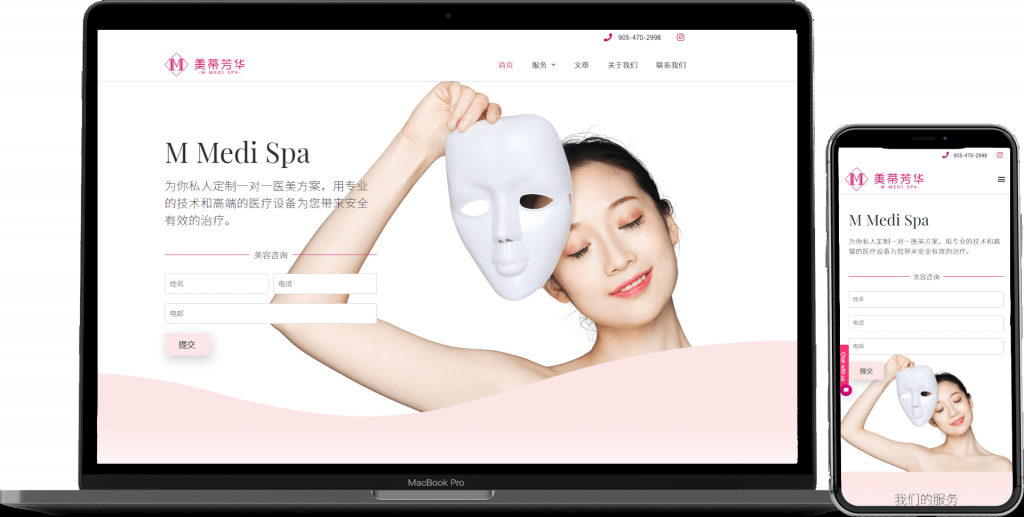
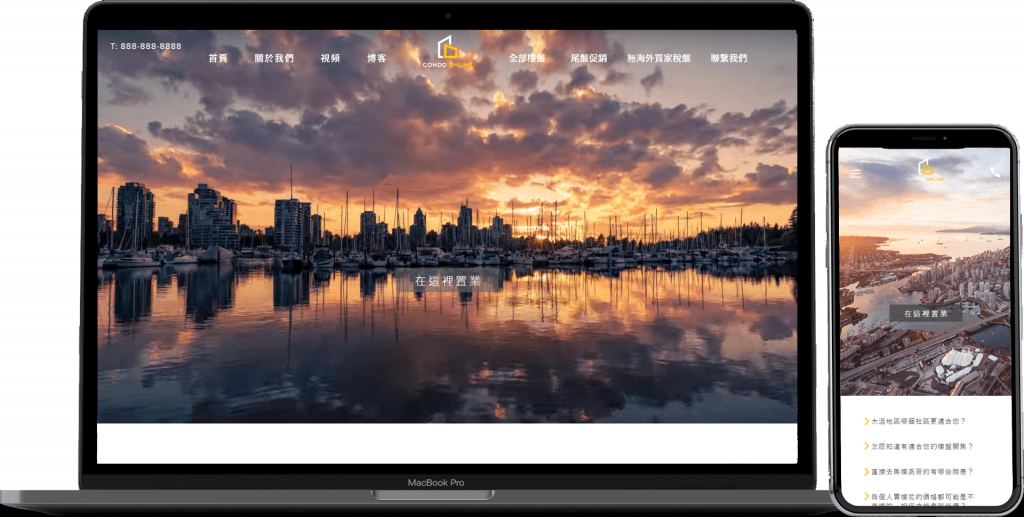
Early websites were simple and static, focusing primarily on text-based content. With advances in technology, the introduction of CSS revolutionized web design, allowing for more visually appealing websites. The rise of mobile devices further pushed developers to create responsive designs for seamless user experiences across all screen sizes.
As the demand for interactive web experiences grew, the role of front-end developers became crucial. JavaScript frameworks like React and Angular emerged, enabling the creation of highly interactive and dynamic web applications.
The Rise of Web Development Frameworks
Web development frameworks such as Ruby on Rails, Django, and Laravel have simplified the process of building complex web applications. These frameworks provide developers with tools and structure to streamline development and ensure scalability.
With the advent of content management systems like WordPress and Drupal, building and maintaining websites became more accessible to non-technical users. These platforms offer a range of themes and plugins, empowering users to create professional websites without extensive coding knowledge.
Design Trends Shaping the Future
Web design trends are constantly evolving, driven by changing user preferences and technological innovations. Flat design, material design, and dark mode are some of the trends that have gained popularity in recent years.
Personalization and user-centric design have become essential considerations for creating engaging web experiences. AI and machine learning are being integrated into web design to offer personalized content recommendations and dynamic user interfaces.
Challenges and Opportunities Ahead
While the web design and development industry continues to flourish, it also faces challenges. Ensuring web accessibility, optimizing for search engines, and maintaining security are ongoing concerns for developers.
Despite these challenges, the future of web design and development looks promising. Emerging technologies like progressive web apps, voice interfaces, and virtual reality are opening up new possibilities for creating immersive web experiences.
As we look ahead, staying abreast of industry trends and continuously honing our skills will be key to thriving in the dynamic world of web design and development.