Revolutionizing Healthcare Web Design: Enhancing Patient Experience
The healthcare industry is rapidly evolving, and one key aspect that is often overlooked is the importance of web design in healthcare services. A well-designed website can significantly enhance the patient experience, streamline processes, and improve overall satisfaction.
The Impact of User-Centric Design
When patients visit a healthcare website, they expect to find information quickly and easily. User-centric design ensures that the website is intuitive, easy to navigate, and provides clear information. This can lead to increased patient engagement and improved outcomes.
Ensuring Accessibility and Compliance
Web design in healthcare must also prioritize accessibility and compliance with regulations such as the ADA. Ensuring that the website is accessible to all patients, including those with disabilities, is not only ethically important but also legally necessary.
Integrating Telehealth Services
With the rise of telemedicine, healthcare websites must now integrate telehealth services seamlessly. This includes features such as virtual appointments, secure messaging, and online prescription requests. A well-designed website can make accessing telehealth services convenient and efficient for patients.
Personalizing the Patient Experience
Personalization is key to enhancing the patient experience. Healthcare websites can utilize data-driven design to personalize content and recommendations based on each patient’s needs and preferences. This level of customization can foster trust and loyalty among patients.
Optimizing for Mobile
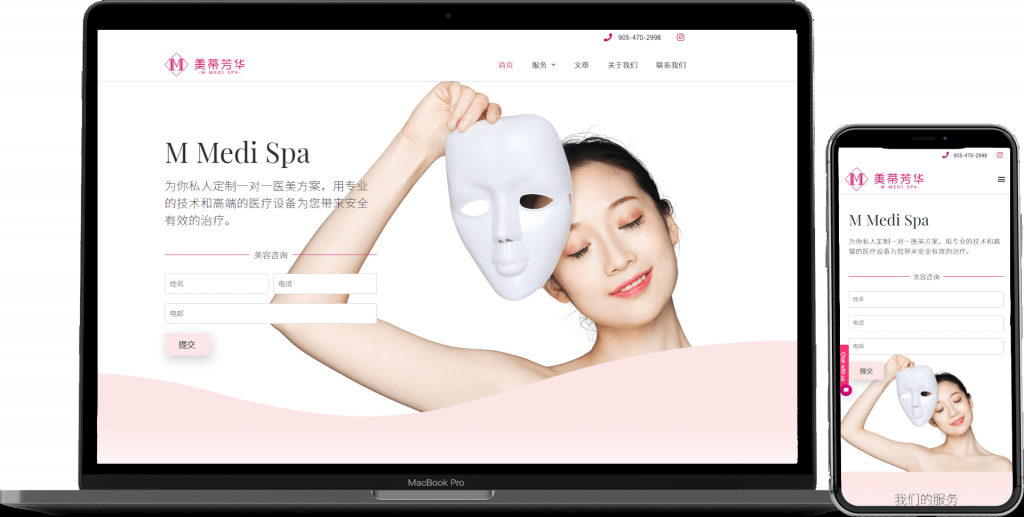
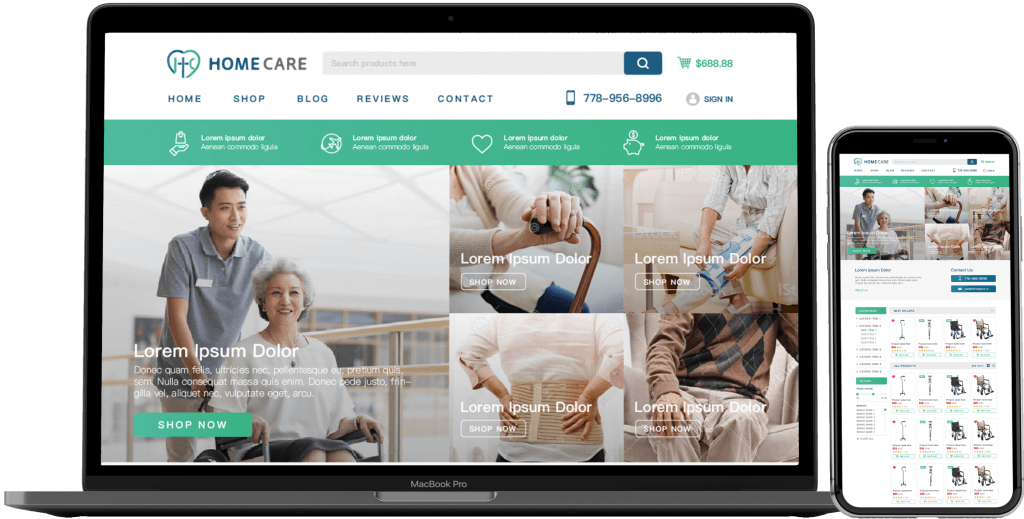
Given the prevalence of mobile devices, healthcare websites must be optimized for mobile use. Responsive design ensures that the website is easy to navigate and use on smartphones and tablets, allowing patients to access information on the go.
Embracing Visual Communication
Visual communication is essential in healthcare web design. Incorporating visually engaging elements such as infographics, videos, and interactive tools can help convey complex medical information in a clear and digestible way. This enhances patient understanding and engagement.
Continuous Improvement and Feedback
To truly revolutionize healthcare web design, continuous improvement is necessary. Gathering feedback from patients and stakeholders allows for ongoing refinement of the website to better meet the needs of users. Iterative design processes ensure that the website remains relevant and effective.
Conclusion
Revolutionizing healthcare web design is a multifaceted endeavor that requires a focus on user-centric design, accessibility, telehealth integration, personalization, mobile optimization, visual communication, and continuous improvement. By prioritizing these elements, healthcare providers can create websites that enhance the patient experience, improve outcomes, and drive engagement.