The Rise of Minimalism in Boston Web Design
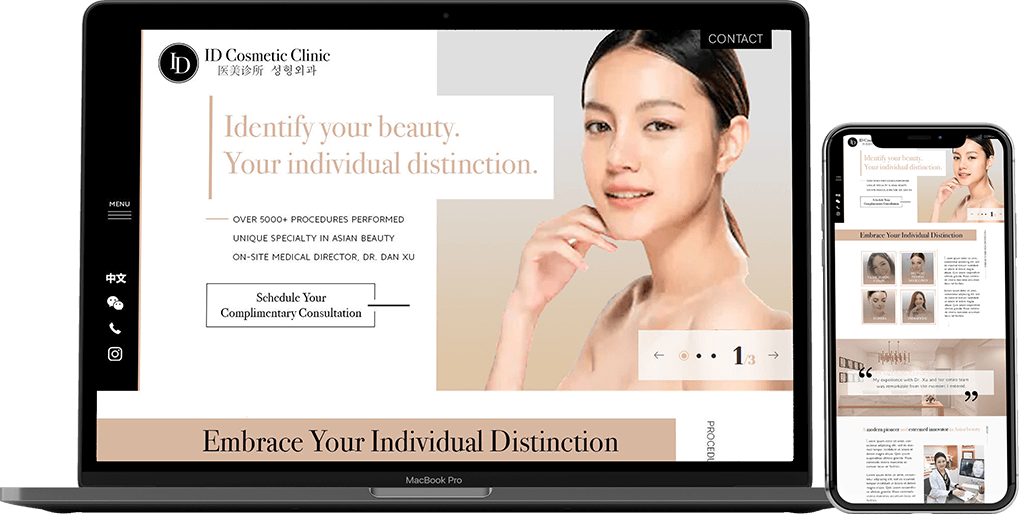
In the fast-paced digital world of today, Boston web design trends are constantly evolving. One notable trend that has been gaining popularity is minimalism. Minimalist web design focuses on simplicity, clean lines, ample white space, and high contrast colors to create a visually appealing and user-friendly experience.
When it comes to creating a successful website, less is often more. Visitors are more likely to engage with a site that is easy to navigate and visually uncluttered. Minimalist design helps to direct the user’s focus to the most important elements on the page, such as calls to action or key information.
Many Boston-based businesses are embracing minimalist web design to stand out in a competitive online landscape. By stripping away unnecessary elements and focusing on what truly matters, companies can create a memorable and impactful online presence.
The Importance of Responsive Design
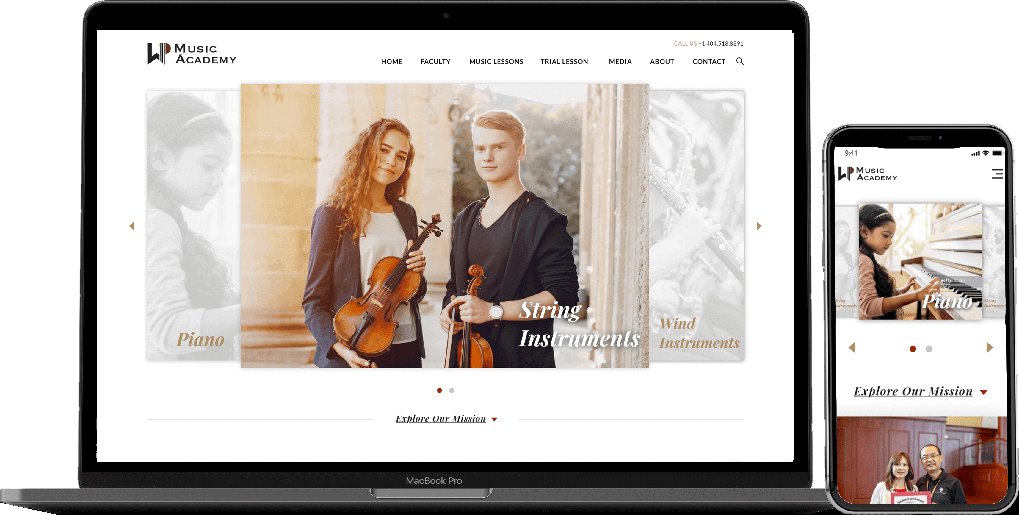
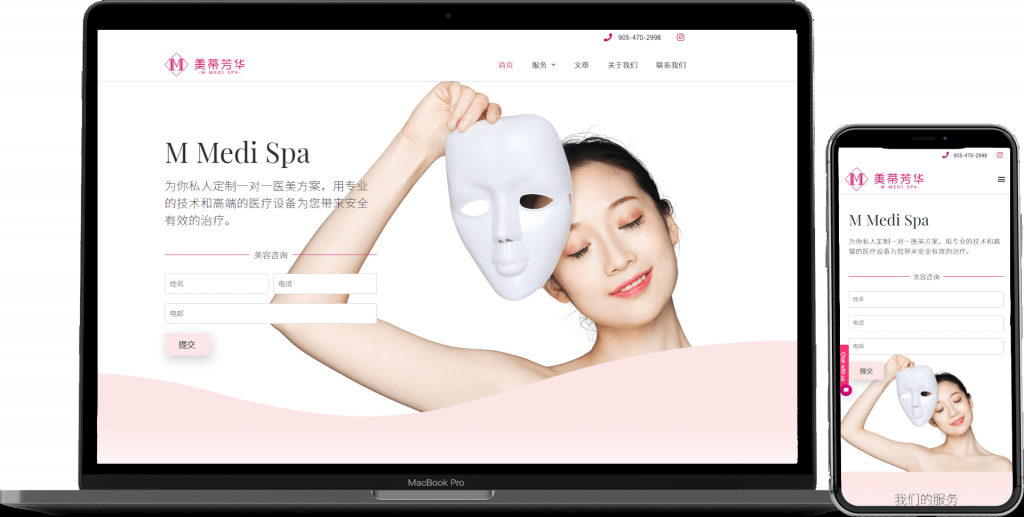
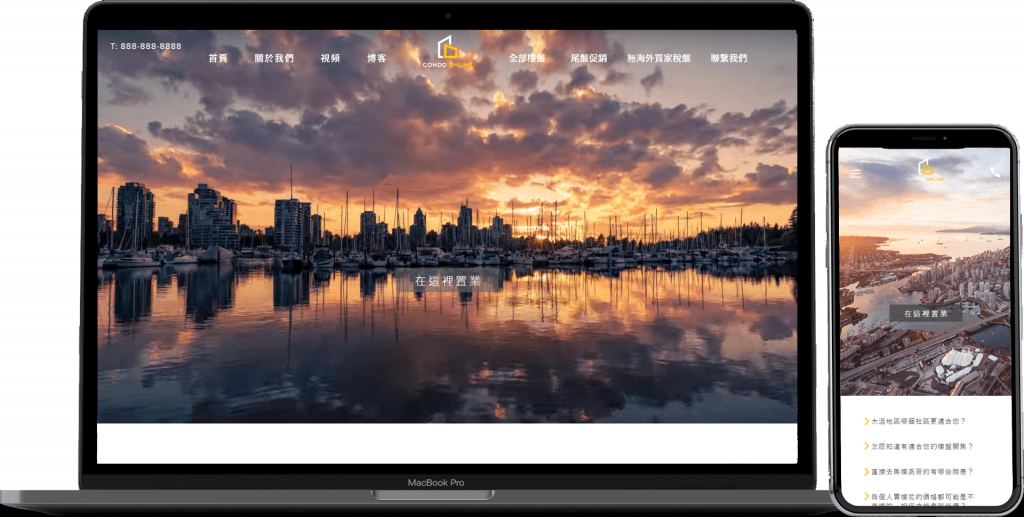
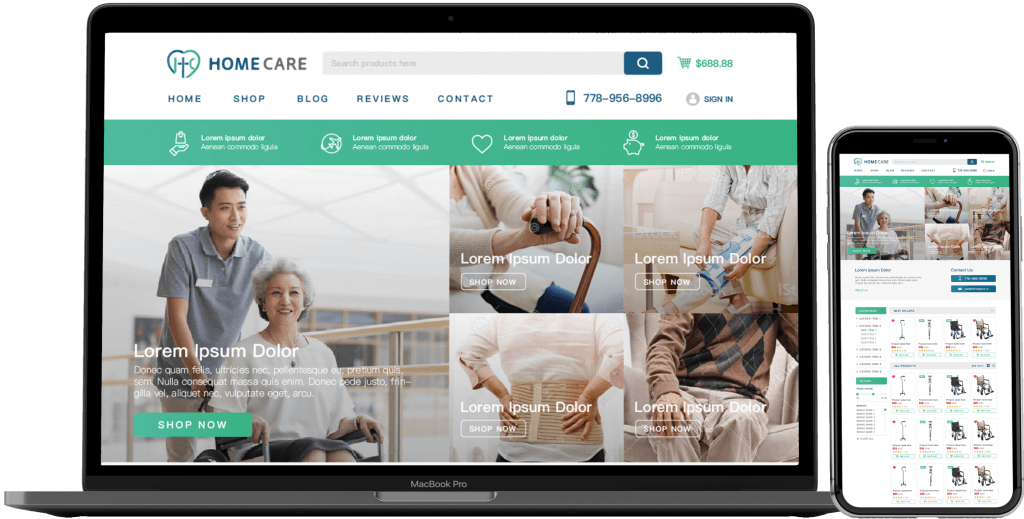
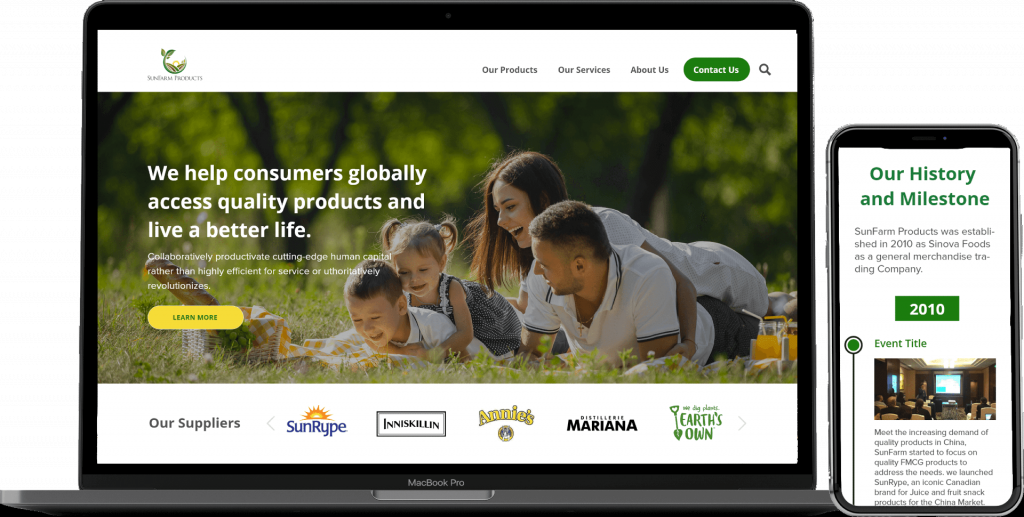
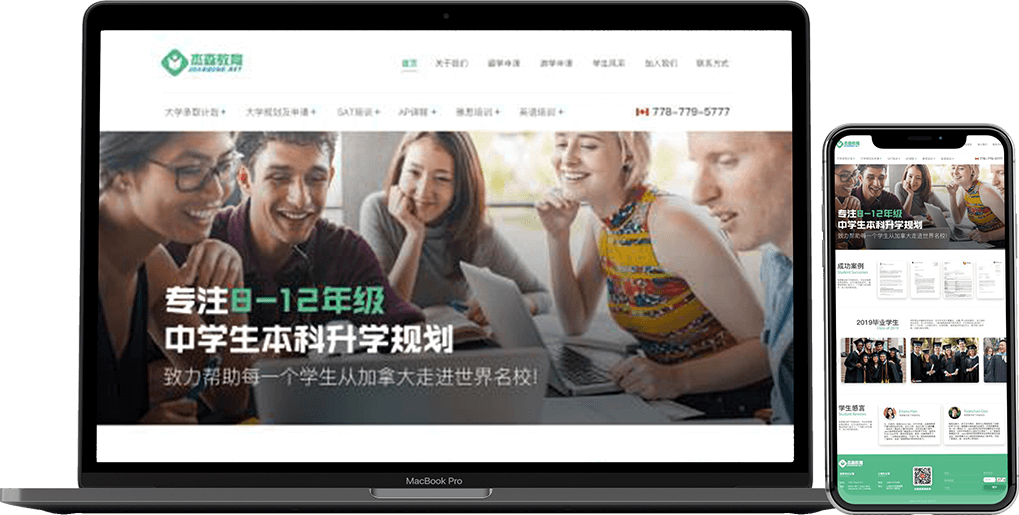
Another key trend in Boston web design is the emphasis on responsive design. With the increasing use of mobile devices, having a website that looks great and functions well on smartphones and tablets is essential.
Responsive design ensures that your website adapts to any screen size, providing a seamless user experience across devices. Boston businesses that invest in responsive web design can reach a wider audience and improve their online visibility.
As more and more consumers turn to mobile devices for shopping, research, and entertainment, having a mobile-friendly website is no longer optional—it’s a necessity. Responsive design not only enhances the user experience but can also positively impact your SEO rankings.
Personalization and User-Centric Design
In a competitive market like Boston, user-centric design is becoming increasingly important. Personalization plays a crucial role in creating a tailored experience for visitors and engaging them on a deeper level.
By leveraging data and analytics, Boston businesses can deliver personalized content and recommendations based on user behavior and preferences. This targeted approach can lead to increased conversions, customer loyalty, and a higher return on investment.
Incorporating interactive elements, intuitive navigation, and engaging visuals are key strategies for creating a user-centric website that resonates with your target audience. By putting the user first, businesses can build trust, drive engagement, and ultimately achieve their online goals.