Enhancing User Experience: A Guide to Effective Web Design
When it comes to web design services, creating a visually appealing website is just the beginning. User experience plays a crucial role in the success of any online platform. In today’s digital age, users expect seamless navigation, responsive design, and engaging content. Here are some key tips to enhance user experience through effective web design:
1. Responsive Design
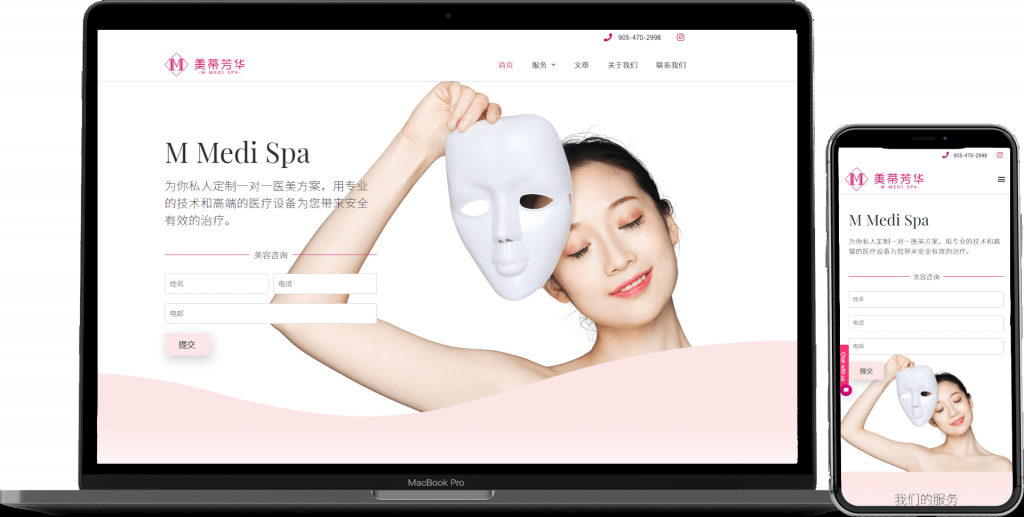
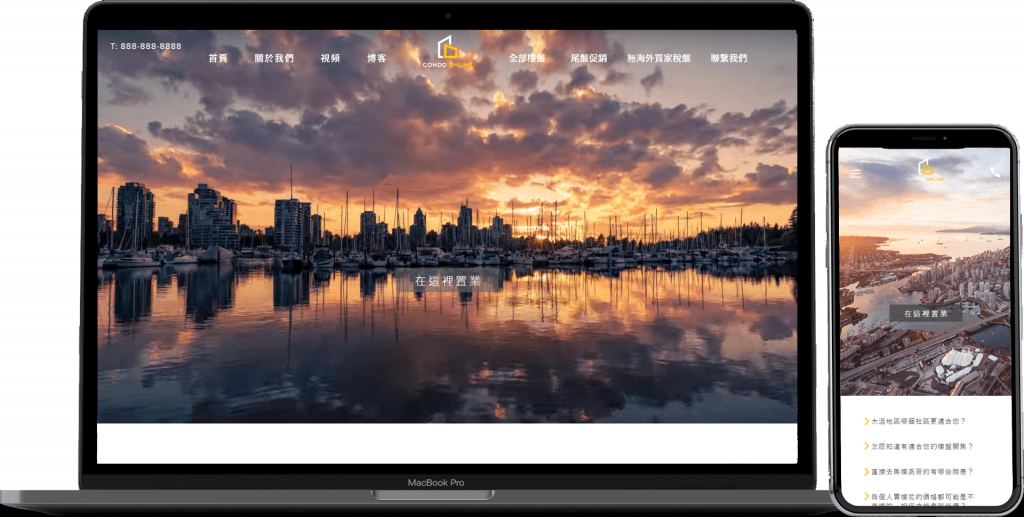
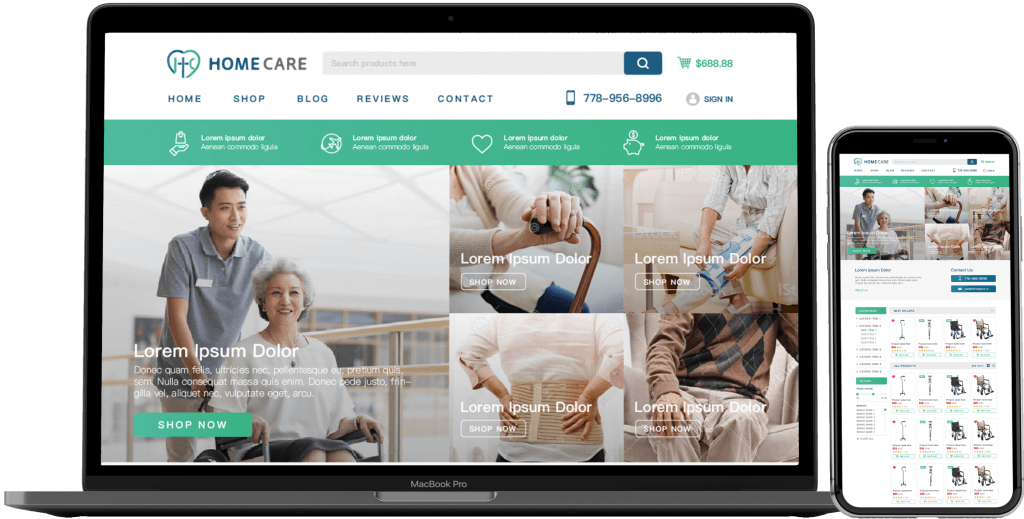
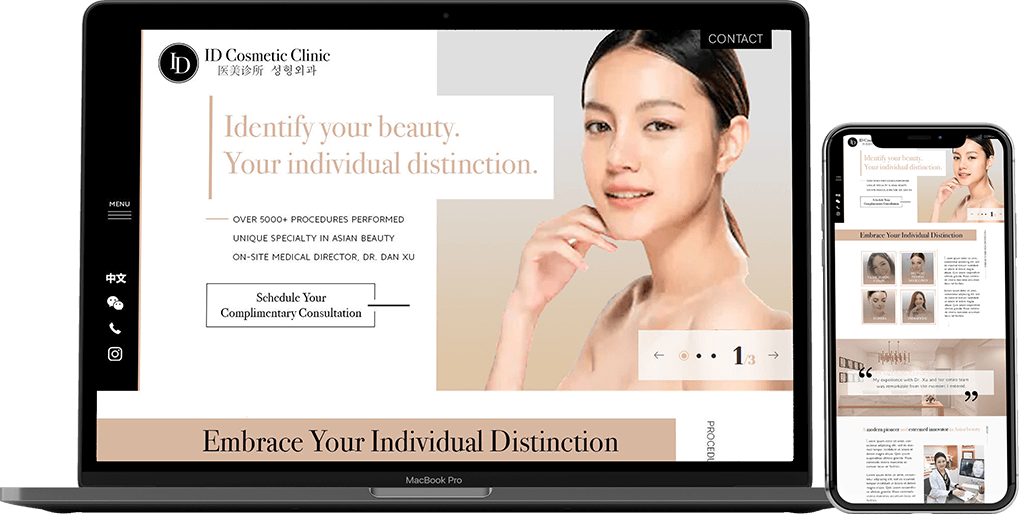
Responsive design ensures that your website looks great on all devices, from smartphones to desktop computers. By implementing a fluid grid layout and media queries, you can create a seamless user experience regardless of screen size.
2. Clear Navigation
Intuitive navigation is essential for guiding users through your website. Use clear menus, breadcrumbs, and calls-to-action to help users find the information they need quickly and easily.
3. Engaging Content
Compelling content keeps users on your website longer and encourages them to return. Incorporate high-quality images, videos, and written content to engage your audience and convey your brand message effectively.
4. Load Speed Optimization
In today’s fast-paced world, users expect websites to load quickly. Optimize your website’s load speed by optimizing images, minifying code, and leveraging browser caching to improve user experience and SEO performance.
5. Accessibility
Make your website accessible to all users, including those with disabilities. Use alt text for images, ensure color contrast for readability, and provide keyboard navigation options for users who rely on assistive technologies.
6. Mobile Optimization
With the rise of mobile browsing, optimizing your website for mobile users is essential. Create a mobile-friendly design that prioritizes touch interactions and streamlined navigation for a seamless user experience on smartphones and tablets.
7. Aesthetics and Branding
Your website should reflect your brand’s identity through cohesive branding elements, color schemes, and typography choices. A visually appealing design helps establish credibility and fosters a connection with your target audience.
8. Continuous Testing and Improvement
Regularly test your website’s performance using analytics tools and gather feedback from users to identify areas for improvement. By continuously refining your web design based on data and user input, you can ensure an optimal user experience that drives conversions and loyalty.
By incorporating these key principles into your web design strategy, you can enhance user experience, increase engagement, and ultimately achieve your business goals. Remember, effective web design goes beyond aesthetics—it’s about creating a seamless and enjoyable experience for every visitor to your website.