Exploring the Future of Ecommerce Design Trends
In today’s fast-paced digital world, ecommerce has become an integral part of our day-to-day lives. As online shopping continues to soar in popularity, it’s crucial for businesses to stay ahead of the curve by embracing the latest design trends. Let’s delve into the future of ecommerce design and discover what’s in store for online retailers.
The Rise of Minimalist Designs
Minimalism is a design trend that has gained significant traction in recent years. Clean, simple layouts, ample whitespace, and crisp typography are key elements of minimalist design. This approach not only creates an elegant and sophisticated look but also helps to improve usability by reducing clutter and distractions.
Personalized User Experiences
Another important trend in ecommerce design is personalization. Customers now expect tailored experiences that cater to their individual preferences and browsing history. By leveraging data analytics and AI technologies, ecommerce websites can deliver relevant content, product recommendations, and personalized offers to enhance the user experience.
Mobile-First Design
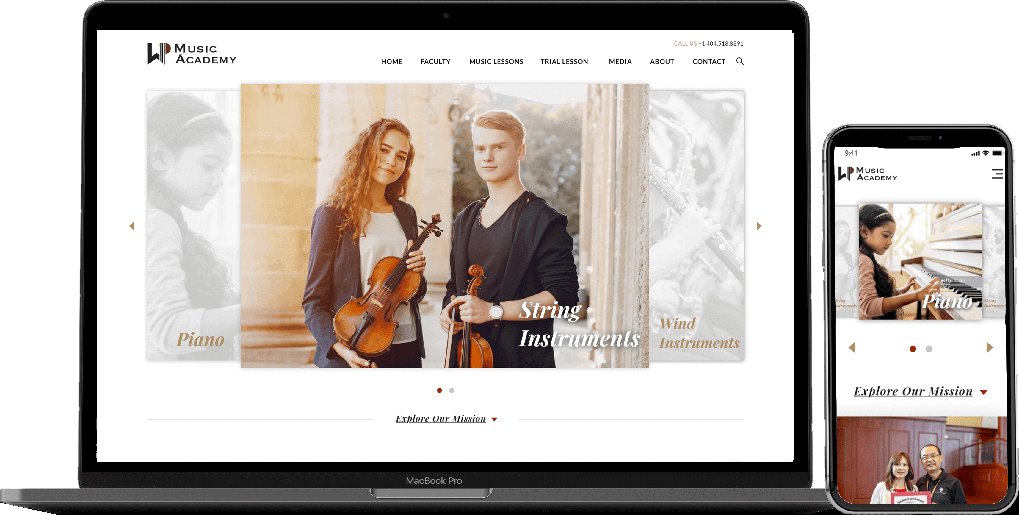
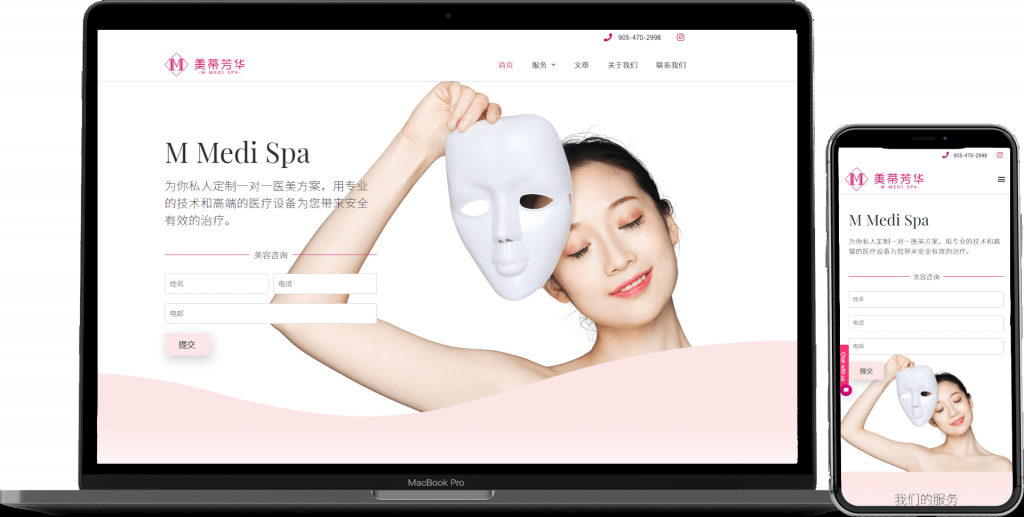
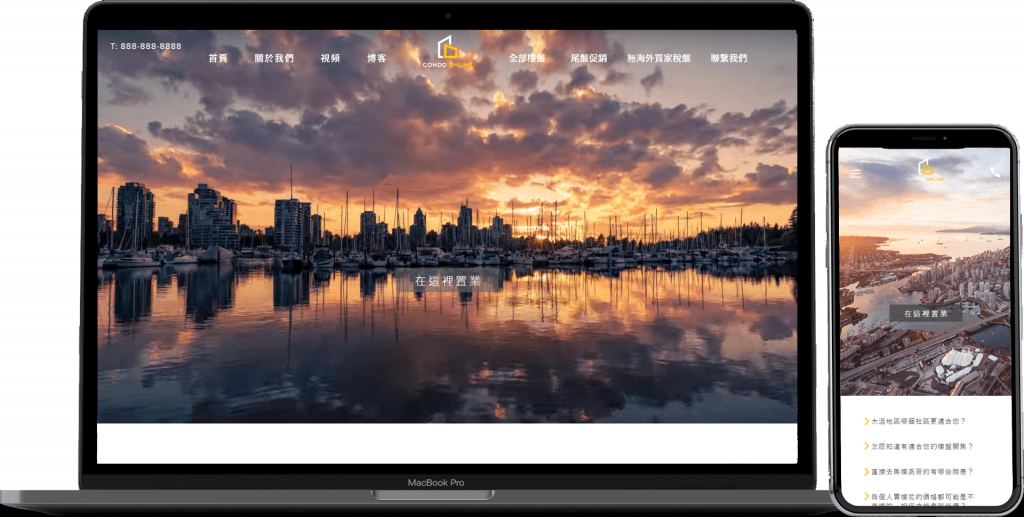
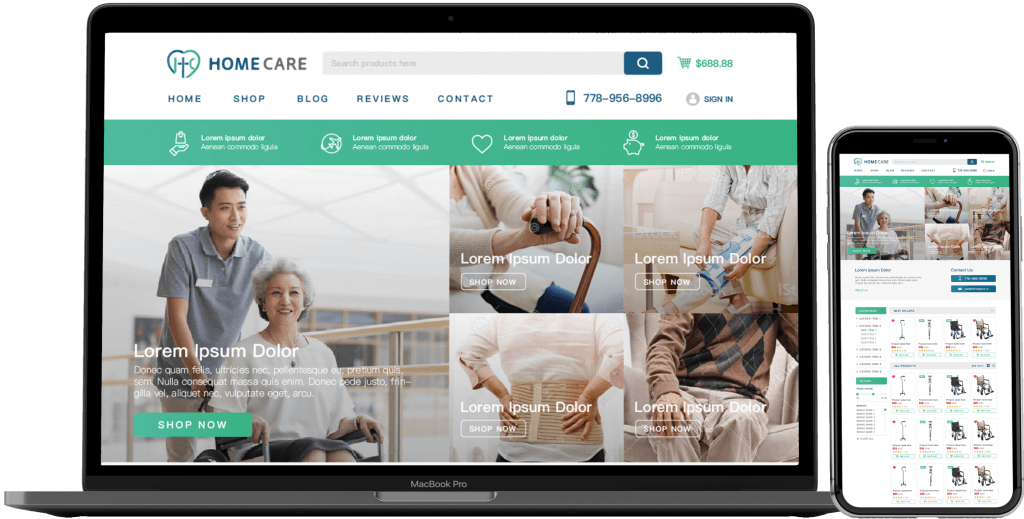
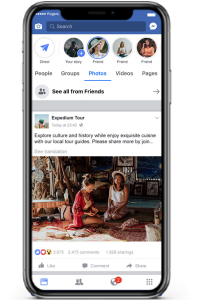
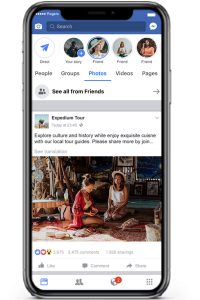
With the increasing use of smartphones and tablets for online shopping, mobile-first design has become essential for ecommerce success. Websites that are optimized for mobile devices not only provide a seamless browsing experience but also improve search engine rankings. Responsive design, fast loading times, and intuitive navigation are crucial aspects of mobile-first design.
Embracing Augmented Reality
Augmented reality (AR) is revolutionizing the way customers shop online by allowing them to visualize products in a real-world environment. Ecommerce websites can use AR technology to enable virtual try-ons, interactive product demonstrations, and immersive shopping experiences. By integrating AR into their design strategy, businesses can boost engagement and drive sales.
Conclusion
The future of ecommerce design is dynamic and constantly evolving. By staying informed about the latest trends and technologies, businesses can create engaging, user-friendly websites that resonate with customers. Whether it’s embracing minimalism, personalizing user experiences, optimizing for mobile, or integrating AR, ecommerce designers have a wide array of tools at their disposal to enhance the online shopping experience.