The Influence of Minimalism in Modern Web Design
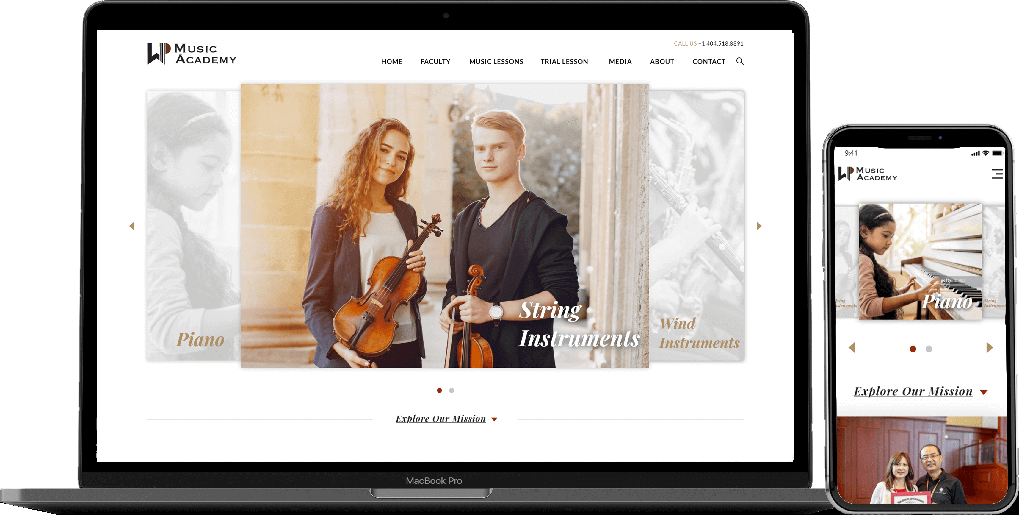
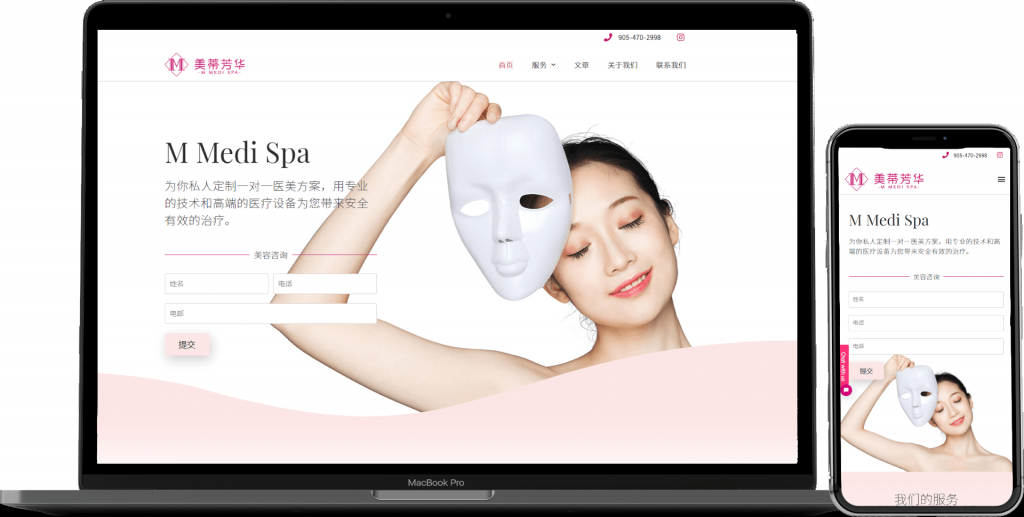
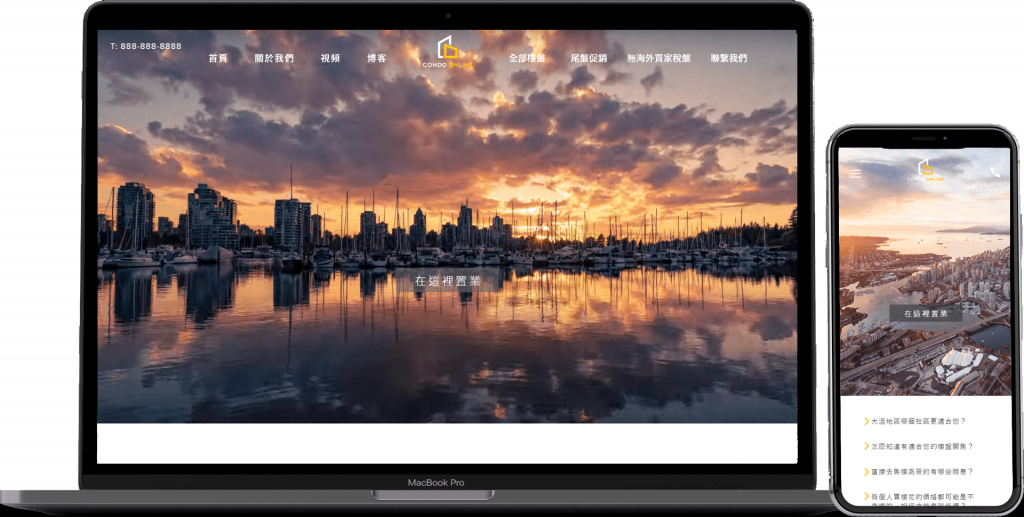
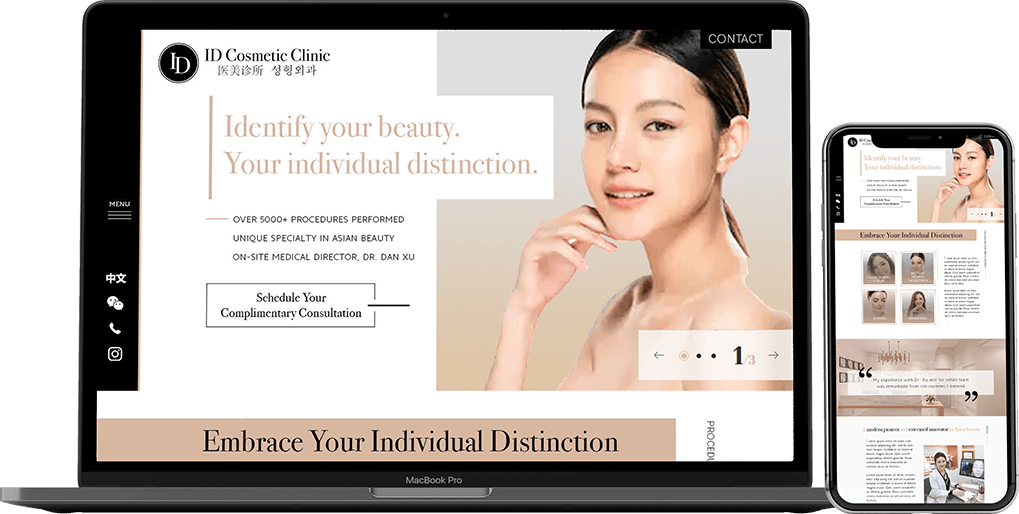
Minimalism is more than just a design trend; it has become a guiding principle for many web designers today. The philosophy of “less is more” is evident in various aspects of web design, from layout to color choices. By eliminating clutter and focusing on essential elements, minimalist websites offer a clean and intuitive user experience.
One key advantage of minimalism is improved site performance. With fewer elements to load, pages can load faster, leading to better user engagement and higher conversion rates. Additionally, minimalist design often translates well to mobile devices, ensuring a seamless experience across different screen sizes.
However, minimalist design isn’t without its challenges. Striking the right balance between simplicity and functionality can be tricky. A design that is too sparse may leave users feeling lost or disengaged. It’s essential to carefully consider user interactions and expectations when adopting a minimalist approach.
Embracing Dark Mode: A Look at the Latest Design Trend
Dark mode has emerged as a popular design trend in recent years, offering a stylish alternative to traditional light interfaces. Beyond its aesthetic appeal, dark mode has practical benefits, such as reducing eye strain and increasing battery life on devices with OLED screens.
Implementing dark mode requires thoughtful design choices, including selecting appropriate contrast ratios and color schemes to ensure readability in low-light environments. Additionally, providing users with the option to switch between light and dark modes can enhance accessibility and cater to diverse preferences.
From a development perspective, implementing dark mode involves creating CSS themes that dynamically adjust based on user preferences or environmental conditions. By leveraging modern technologies like CSS variables and media queries, developers can offer users a seamless dark mode experience without compromising usability.
Enhancing User Engagement with Interactive Design Elements
Interactive design elements play a crucial role in engaging users and creating memorable experiences. From animated transitions to hover effects, interactivity can bring websites to life and keep visitors actively engaged with the content.
When incorporating interactive elements, it’s essential to strike a balance between creativity and usability. While animations and micro-interactions can enhance visual appeal, they should not overshadow the primary content or impede navigation. Consistency in design patterns and intuitive feedback mechanisms are key to ensuring a seamless user experience.
By combining minimalist aesthetics with dark mode designs and interactive elements, web designers can create visually striking websites that prioritize user experience and engagement. As technology continues to evolve, staying abreast of the latest trends and best practices is essential for creating modern and successful web designs.