The Impact of Location-Based Social Media Services
In recent years, the rise of location-based social media services has transformed the way we connect with others and share our experiences online. These platforms leverage the power of geolocation technology to provide users with real-time information about their surroundings, enabling them to discover new places, connect with nearby friends, and share location-specific content.
One of the key benefits of location-based social media services is the ability to discover local businesses and attractions. By using these platforms, users can easily find restaurants, shops, and other points of interest in their vicinity, making it easier to explore new locations and support local businesses. This can also help businesses reach their target audience more effectively by targeting users who are in close proximity to their establishment.
Another advantage of location-based social media services is the ability to connect with friends and family in real-time. By sharing their location with others, users can coordinate meetups, stay informed about each other’s whereabouts, and even receive recommendations for nearby activities and events. This not only strengthens social connections but also enhances the overall user experience by adding a layer of personalization to their interactions.
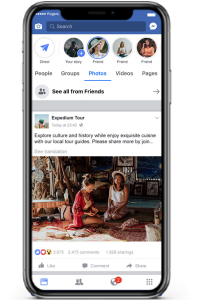
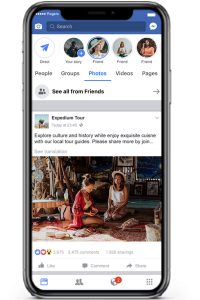
Furthermore, location-based social media services play a crucial role in shaping our digital identities and online presence. By sharing location-specific content, users can curate their online personas and showcase their experiences in a more personalized and authentic way. This can help individuals build a sense of community with like-minded users and discover new opportunities for social interaction and collaboration.
The Future of Location-Based Social Media
As location-based social media services continue to evolve, we can expect to see further advancements in geolocation technology and personalized content delivery. These platforms are likely to become more integrated with augmented reality (AR) and virtual reality (VR) experiences, offering users immersive ways to explore their surroundings and engage with location-specific content.
In addition, the use of artificial intelligence (AI) and machine learning algorithms will enable location-based social media services to provide more accurate and relevant recommendations to users based on their interests, preferences, and past behavior. This level of personalization will enhance the user experience and make these platforms even more indispensable in our daily lives.
Overall, the impact of location-based social media services on our society is profound, influencing how we discover new places, connect with others, and express ourselves online. As these platforms continue to grow and innovate, they will undoubtedly shape the way we interact with our surroundings and create new opportunities for social engagement and community building in the digital age.