Humber College Web Design Development and Maintenance Blog
Welcome to the Humber College Web Design Development and Maintenance Blog, where we explore the latest trends, tips, and insights in the world of web design. In this post, we delve into the importance of responsive design and its impact on user experience.
The Significance of Responsive Design
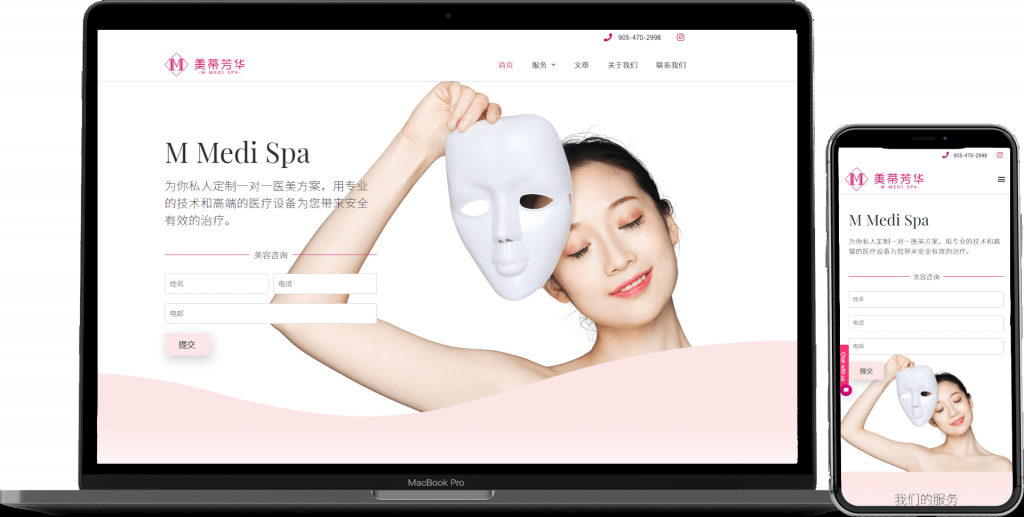
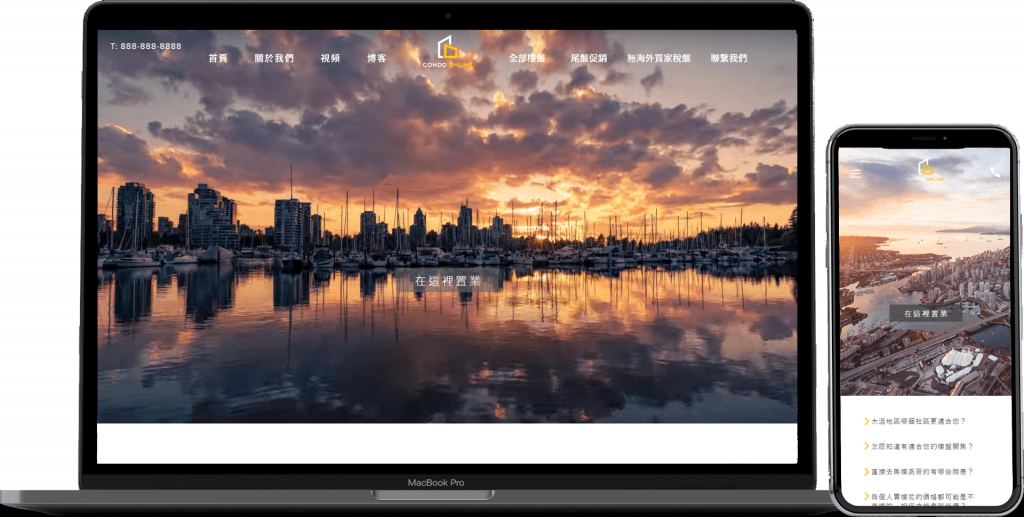
Responsive design is a crucial aspect of modern web development. With the proliferation of mobile devices, ensuring that websites adapt to different screen sizes and resolutions is paramount. Users expect seamless experiences across all devices, and responsive design fulfills this requirement by dynamically adjusting layouts and content.
At Humber College, students learn the importance of responsive design through hands-on projects and real-world scenarios. By understanding the principles of responsive design, our graduates are equipped to create visually appealing and user-friendly websites that cater to a diverse audience.
Moreover, search engines like Google prioritize responsive websites in their rankings, emphasizing the necessity of mobile-friendly designs. By implementing responsive practices, businesses can improve their online visibility and engage with a wider demographic.
Best Practices in Web Design
When it comes to web design, adhering to best practices is essential for delivering exceptional user experiences. Humber College emphasizes the following guidelines to ensure that websites are not only visually appealing but also highly functional:
- Intuitive navigation to enhance user engagement
- Optimized loading times for improved performance
- Consistent branding across all pages
- Accessible design for users with disabilities
By following these best practices, web designers can create websites that resonate with audiences and drive conversions.