Optimizing Your Healthcare Website: A Guide to SEO
Providing quality healthcare is essential, but it’s equally important to ensure that your healthcare website can be easily found online by potential patients. Search Engine Optimization (SEO) plays a crucial role in increasing your website’s visibility and attracting the right audience. In this post, we will explore the key strategies for optimizing your healthcare website for search engines.
1. Conduct Keyword Research
Keyword research is the foundation of any successful SEO strategy. Identify relevant keywords that are commonly used by individuals searching for healthcare services in your area. Use tools like Google Keyword Planner or SEMrush to discover high-volume keywords with low competition.
2. Optimize On-Page Content
Ensure that your website’s on-page content is optimized for search engines. Use relevant keywords in your page titles, meta descriptions, headings, and body content. Focus on creating informative and engaging content that addresses the needs and concerns of your target audience.
3. Improve Page Speed
Page speed is a critical ranking factor for search engines. Optimize your website’s loading speed by compressing images, minimizing server response time, and leveraging browser caching. Use tools like Google PageSpeed Insights to identify and fix performance issues.
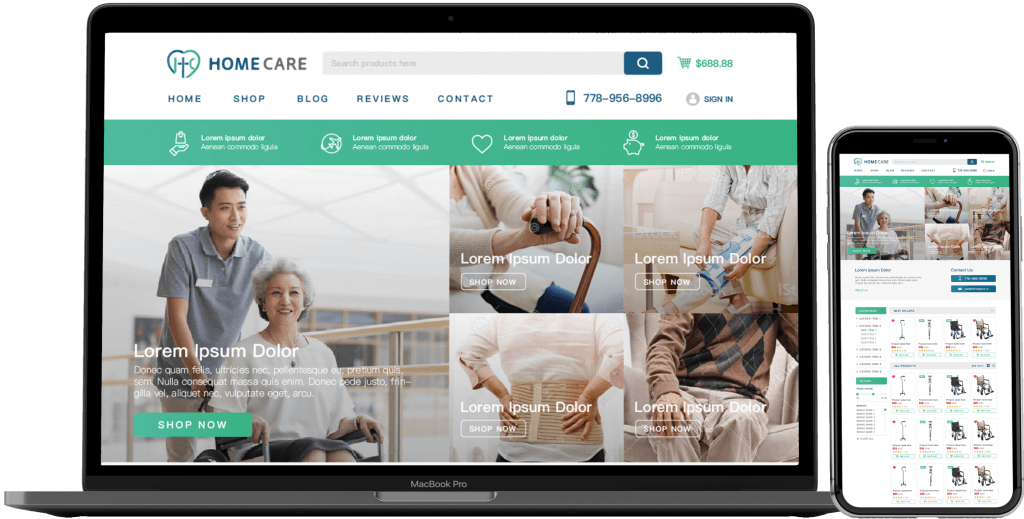
4. Mobile-Friendly Design
With the increasing use of smartphones, it’s essential to have a mobile-friendly website. Ensure that your website is responsive and provides a seamless user experience across all devices. Google prioritizes mobile-friendly websites in search results.
5. Local SEO Optimization
For healthcare providers targeting local patients, local SEO is key. Claim your Google My Business listing, optimize your NAP (Name, Address, Phone number) information, and solicit online reviews from satisfied patients. This will help improve your visibility in local search results.
6. Monitor and Analyze Results
Regularly monitor your website’s performance using tools like Google Analytics and Google Search Console. Analyze key metrics such as organic traffic, bounce rate, and conversion rates. Use this data to make informed decisions and optimize your SEO strategy.
7. Stay Updated with SEO Trends
SEO is constantly evolving, and it’s essential to stay updated with the latest trends and algorithm changes. Follow reputable SEO blogs, participate in webinars, and attend conferences to stay ahead of the curve and maintain your website’s search engine visibility.
By implementing these SEO strategies, you can enhance your healthcare website’s visibility, attract more patients, and ultimately grow your practice. Remember, SEO is a long-term investment, and consistent effort is required to achieve sustainable results.