Revolutionizing Real Estate: Innovative Web Design Services
As the real estate industry adapts to the digital age, the role of web design services becomes increasingly crucial. In today’s competitive market, a well-designed website can be the key to attracting potential buyers and sellers. From user-friendly interfaces to immersive virtual tours, real estate web design services are transforming the way properties are marketed and showcased.
One of the key aspects of innovative real estate web design services is the integration of interactive features. Imagine a website where users can virtually walk through a property using 3D technology, allowing them to experience every detail as if they were physically present. Such immersive experiences not only engage visitors but also help in making informed decisions about a property.
Furthermore, personalized user experiences tailored to individual preferences are becoming increasingly common in real estate web design. AI-driven algorithms analyze user behavior to provide personalized property recommendations and curated content. This level of customization enhances user engagement and increases the chances of converting leads into clients.
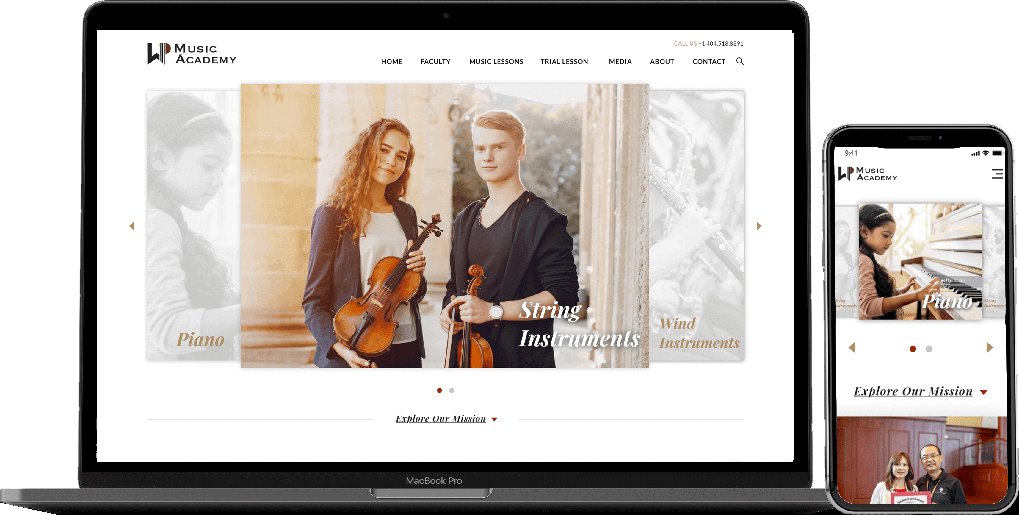
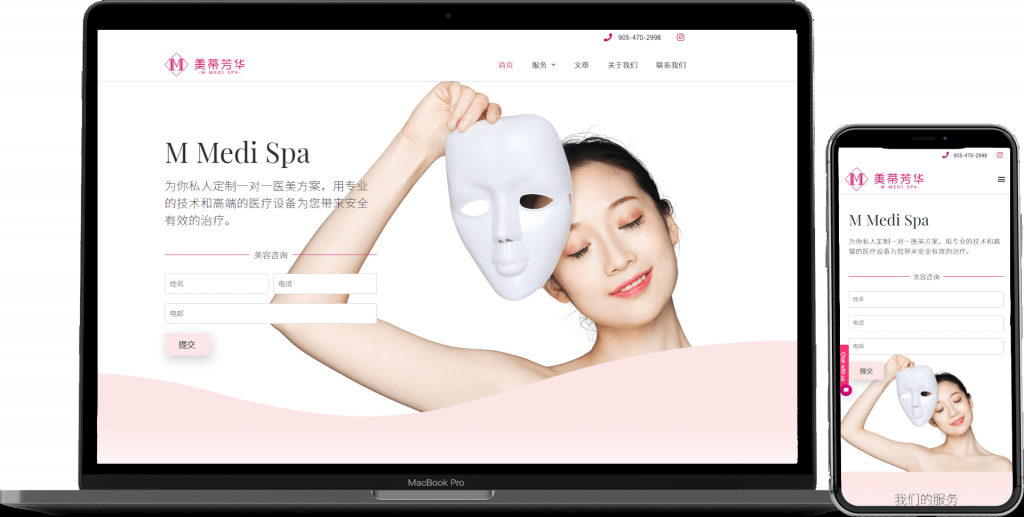
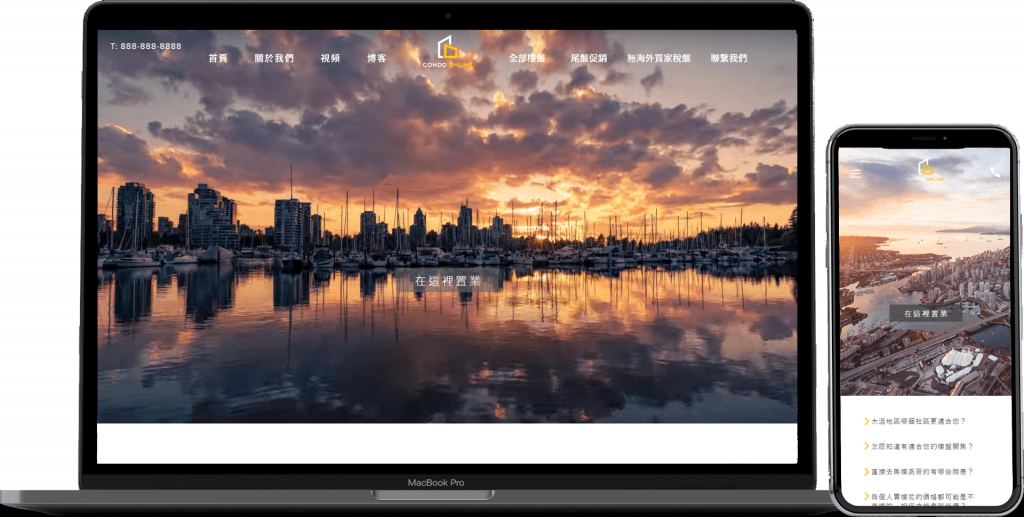
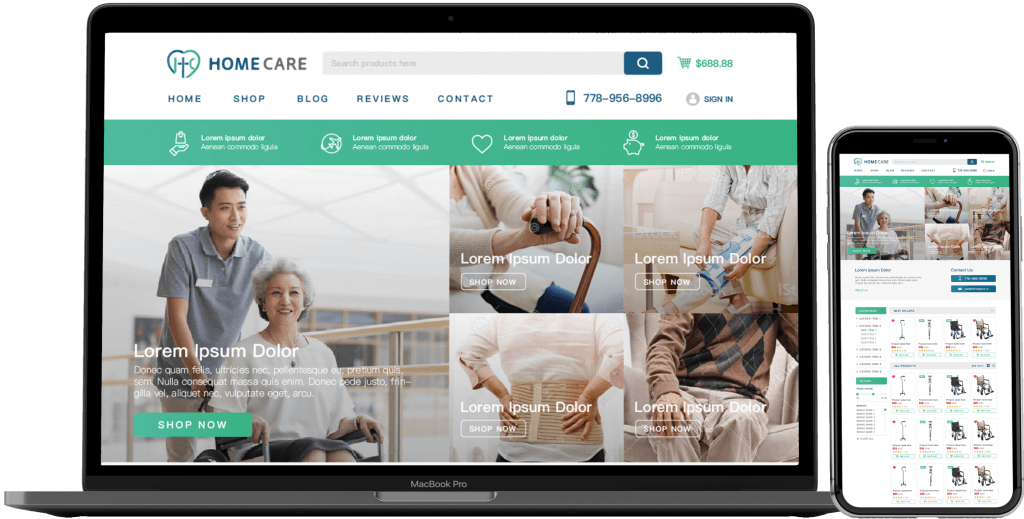
Another aspect that sets apart modern real estate web design services is the emphasis on mobile responsiveness. With the majority of users now browsing listings on their smartphones, it is essential for real estate websites to be optimized for mobile devices. A seamless browsing experience across different screen sizes can significantly impact user satisfaction and retention.
In addition to aesthetics and functionality, security is a top priority for real estate web design services. As websites handle sensitive personal information and financial transactions, robust security measures must be in place to protect against cyber threats. SSL encryption, secure payment gateways, and regular security audits are standard practices in ensuring data integrity and privacy.
Lastly, the future of real estate web design services lies in the integration of emerging technologies such as augmented reality (AR) and artificial intelligence (AI). AR applications can overlay property information in real-time, allowing users to visualize renovations or furniture placements before making a purchase. AI-powered chatbots provide instant property information and scheduling assistance, enhancing customer service and streamlining communication.
In conclusion, the evolving landscape of real estate web design services is reshaping how properties are marketed, accessed, and experienced. By embracing innovation, personalization, and cutting-edge technologies, real estate professionals can stay ahead of the curve and provide exceptional online experiences for their clients.