The Future of Web Design: Embracing Change
In the ever-evolving world of web design, staying ahead of the curve is essential. As technology advances and user expectations shift, it’s crucial to adapt and innovate. From dynamic layouts to interactive animations, the possibilities are endless.
The Rise of Minimalism
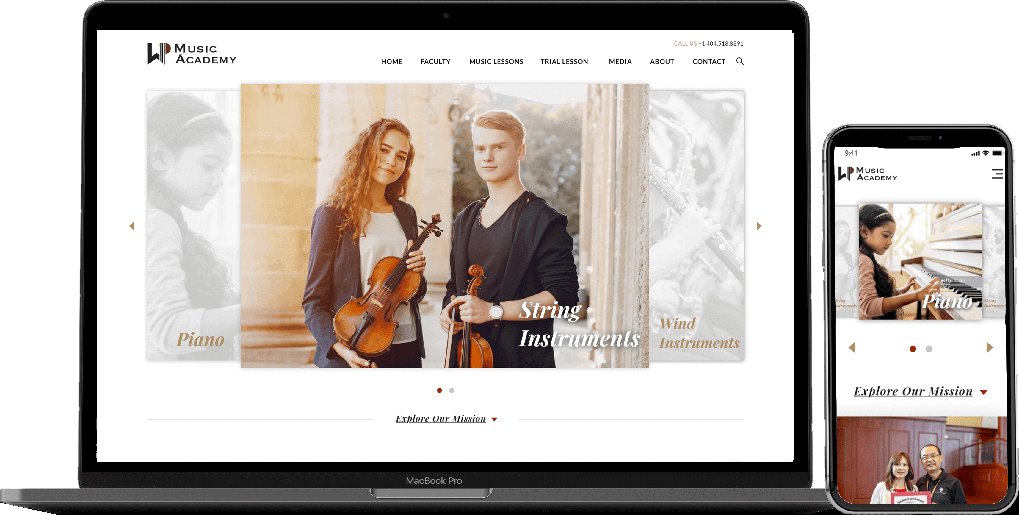
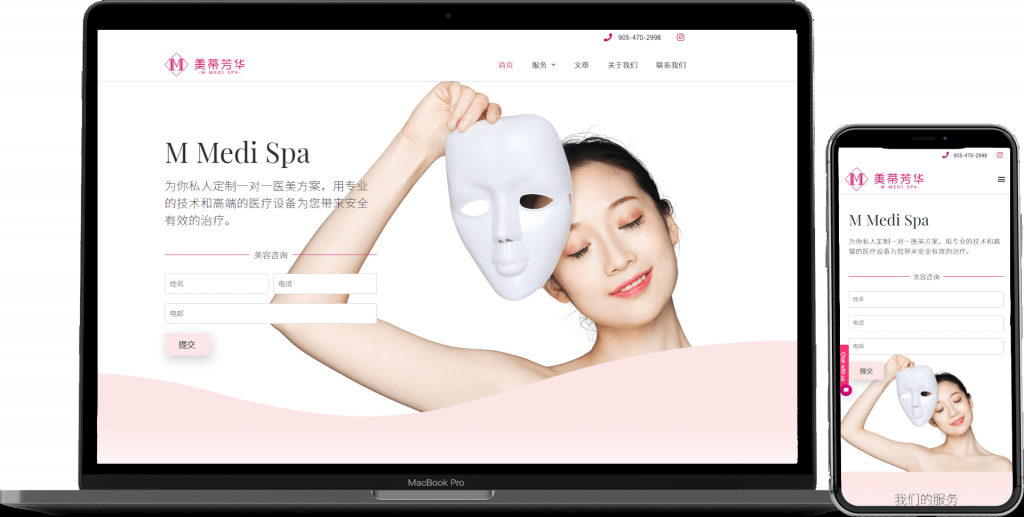
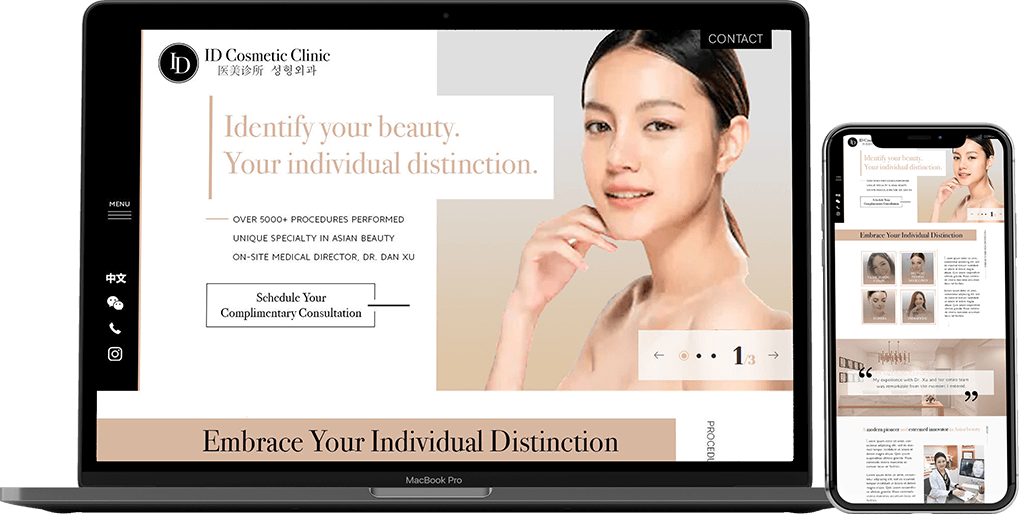
Minimalist design has gained popularity in recent years for its simplicity and elegance. Clean layouts, ample white space, and subtle typography can create a striking visual impact. This approach focuses on highlighting essential elements and improving user experience.
Mobile-First Design
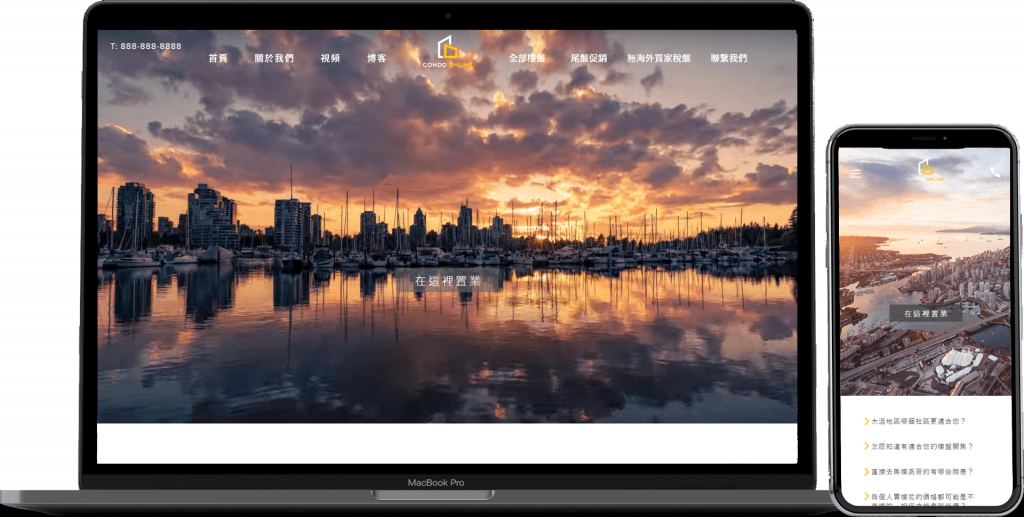
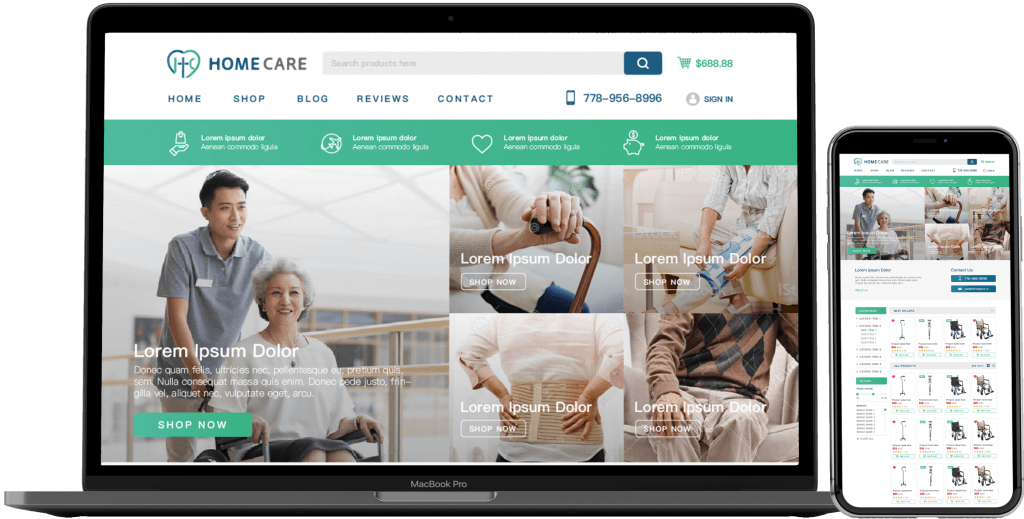
With the majority of internet users browsing on mobile devices, designing for mobile-first has become a standard practice. Responsive design ensures that websites are accessible and easy to navigate on various screen sizes. Prioritizing mobile optimization is crucial for reaching a broader audience.
Dark Mode and UI/UX
Dark mode interfaces have gained traction due to their stylish appeal and reduced eye strain. Implementing dark mode options can enhance user experience and provide a modern aesthetic. Pairing this with intuitive UI/UX design can elevate a website’s overall functionality.
Augmented Reality Integration
Augmented reality (AR) is revolutionizing the way users interact with websites. By incorporating AR elements, web designers can create immersive experiences that engage visitors on a whole new level. This innovative approach opens up endless possibilities for creativity and user engagement.
Accessibility and Inclusivity
Creating accessible websites that cater to users of all abilities is imperative. Implementing features such as alt text, keyboard navigation, and proper color contrast ensures that everyone can navigate and enjoy the content. Designing with inclusivity in mind fosters a more welcoming digital environment.
The Future of Web Design
As we look to the future, embracing change and pushing boundaries will be key in shaping the landscape of web design. By adopting new technologies, experimenting with diverse styles, and prioritizing user experience, designers can create websites that resonate with audiences worldwide.