The Evolution of Web Design & Development in the Digital Age
In today’s fast-paced digital landscape, web design and development have become integral for businesses to establish their online presence. From the early days of static HTML websites to the dynamic and interactive web applications of today, the evolution of web design and development has been remarkable.
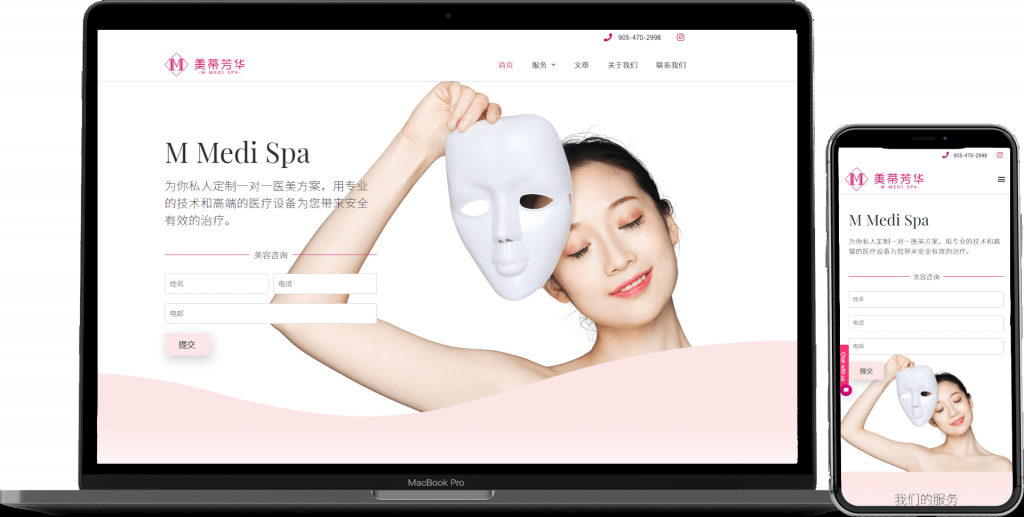
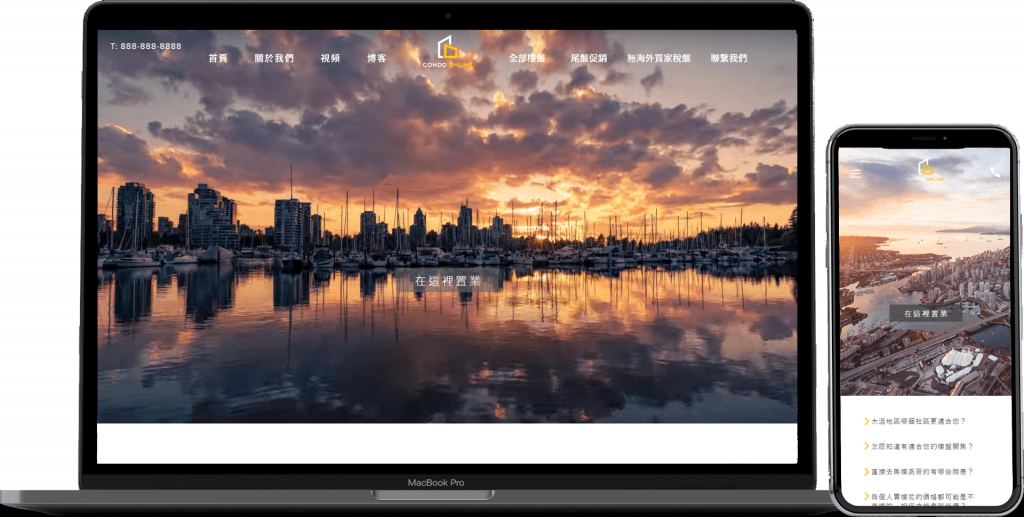
One of the key trends driving this evolution is the shift towards responsive design. With the increasing number of users accessing websites on various devices, it has become crucial for websites to adapt to different screen sizes seamlessly. This has led to the rise of frameworks like Bootstrap and CSS grid systems that prioritize flexibility and adaptability.
Moreover, the rise of content management systems (CMS) like WordPress and Shopify has made it easier for businesses to manage their online content without the need for extensive coding knowledge. This shift has democratized website creation, allowing even small businesses to have professional-looking websites.
Another significant development is the emphasis on user experience (UX) and user interface (UI) design. Websites today are not just about aesthetics but also about creating intuitive and engaging user experiences. This involves understanding user behaviors, conducting usability testing, and optimizing the design for better engagement and conversion rates.
The integration of technologies like artificial intelligence (AI) and machine learning has also impacted web design and development. Chatbots, personalized recommendations, and predictive analytics are now common features on websites, offering personalized experiences to users and enhancing user engagement.
Looking towards the future, advancements in technologies like virtual and augmented reality are set to revolutionize web design and development further. Imagine browsing a website where you can interact with products in a virtual showroom or visualize how furniture would look in your living room through augmented reality.
In conclusion, the evolution of web design and development has been driven by technological advancements, changing user behaviors, and a focus on improving user experiences. As we continue to push the boundaries of what is possible on the web, the future of web design and development holds endless possibilities for innovation and creativity.