The Evolution of Web Design and Development
In today’s digital age, having an online presence is crucial for businesses and individuals alike. The field of web design and development plays a fundamental role in creating engaging websites that captivate audiences and drive success. With the constant evolution of technology, web design has come a long way from simple HTML pages to dynamic, interactive experiences.
Web design focuses on the visual aesthetics of a website, including layout, color scheme, typography, and images. On the other hand, web development involves the technical aspects of building and maintaining websites, such as coding, scripting, and database management.
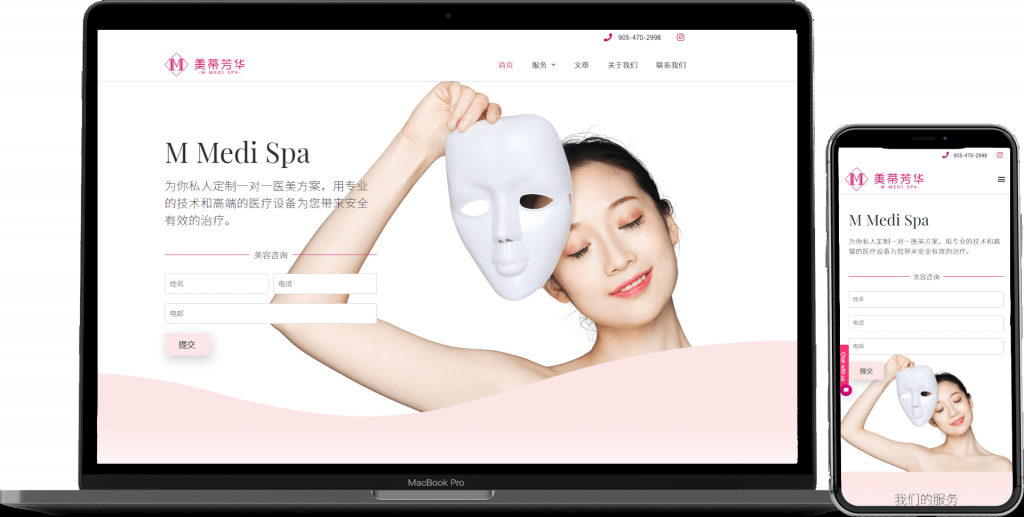
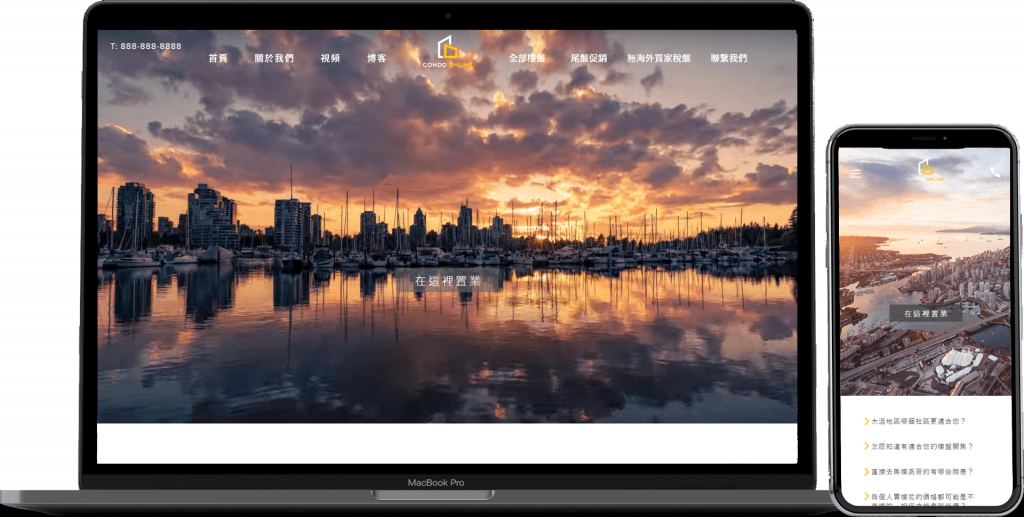
Over the years, web design and development have become increasingly intertwined, with designers and developers working collaboratively to create seamless user experiences. The advent of responsive design has revolutionized the way websites are viewed across different devices, ensuring a consistent experience for users on desktops, smartphones, and tablets.
The Importance of User Experience
One of the key principles of modern web design is focusing on user experience (UX). A well-designed website should not only look visually appealing but also be intuitive and easy to navigate. User-centric design principles, such as clear navigation menus, fast loading times, and mobile optimization, are essential for keeping visitors engaged and reducing bounce rates.
Incorporating user feedback and analytics into the design process allows designers and developers to make data-driven decisions that enhance the overall user experience. By conducting usability tests and gathering insights from user behavior, web professionals can continually refine and improve their websites to meet the needs of their target audience.
The Role of Technology in Web Design
Advancements in technology have opened up a world of possibilities for web designers and developers. From the use of artificial intelligence to create personalized content to the integration of immersive multimedia elements like virtual reality, innovative technologies are reshaping the digital landscape.
Frameworks and tools such as Bootstrap, WordPress, and Adobe XD have simplified the web development process, allowing professionals to build responsive websites more efficiently. These tools provide templates, plugins, and drag-and-drop functionalities that streamline the design workflow and empower creators to bring their ideas to life.
Looking Towards the Future
As we move forward, the future of web design and development looks promising. With the rise of mobile browsing and the increasing demand for visually captivating content, designers and developers will need to stay on top of the latest trends and technologies to remain competitive in the industry.
AI-driven design tools, voice user interfaces, and augmented reality are just a few examples of what the future holds for web professionals. By embracing innovation and embracing creativity, web designers and developers can continue to push the boundaries of what is possible and shape the digital experiences of tomorrow.