The Journey of Web Design and Development: A Historical Perspective
Web design and development have traversed a remarkable path, shaped by evolving technologies and design trends. From the simple, text-based websites of the early internet to the immersive and interactive experiences of today, the journey of web design and development is a testament to human creativity and technological advancement.
The Early Days
In the nascent stages of the internet, websites were rudimentary, focusing primarily on text and basic HTML elements. Design considerations were minimal, with functionality taking precedence over aesthetics. The goal was to deliver information in a clear and concise manner, often through static pages that lacked visual appeal.
The Rise of CSS
With the introduction of Cascading Style Sheets (CSS), web design underwent a significant transformation. CSS allowed for greater control over the layout and appearance of web pages, enabling designers to create more visually appealing and dynamic sites. The separation of content and presentation revolutionized the way websites were designed, paving the way for the modern web design practices we see today.
Responsive Design
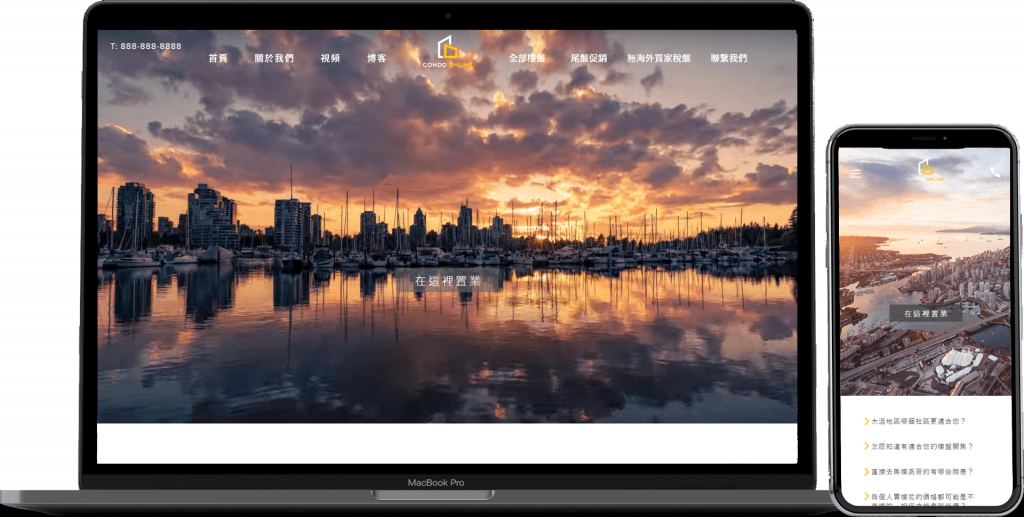
As the use of mobile devices skyrocketed, the need for responsive design became paramount. Websites had to adapt to different screen sizes and resolutions, ensuring a seamless browsing experience across devices. This shift marked a turning point in web design, emphasizing the importance of user experience and accessibility.
The Era of User-Centric Design
Today, web design is not just about aesthetics; it’s about creating meaningful and intuitive user experiences. User-centric design principles prioritize the needs and preferences of the end-user, shaping every aspect of the design process. From intuitive navigation to engaging visuals, every element is carefully crafted to enhance usability and user satisfaction.
The Future of Web Design
Looking ahead, the future of web design and development holds exciting possibilities. Technologies like AI and machine learning are poised to transform the way websites are created and personalized for users. Virtual and augmented reality are opening new avenues for immersive web experiences, blurring the line between the digital and physical worlds.
In conclusion, the evolution of web design and development is a fascinating journey that reflects our ever-changing digital landscape. As we continue to push the boundaries of creativity and innovation, the possibilities for web design are limitless. Each milestone represents a stepping stone towards a more dynamic, engaging, and user-centric web experience.