The Importance of Responsive Web Design
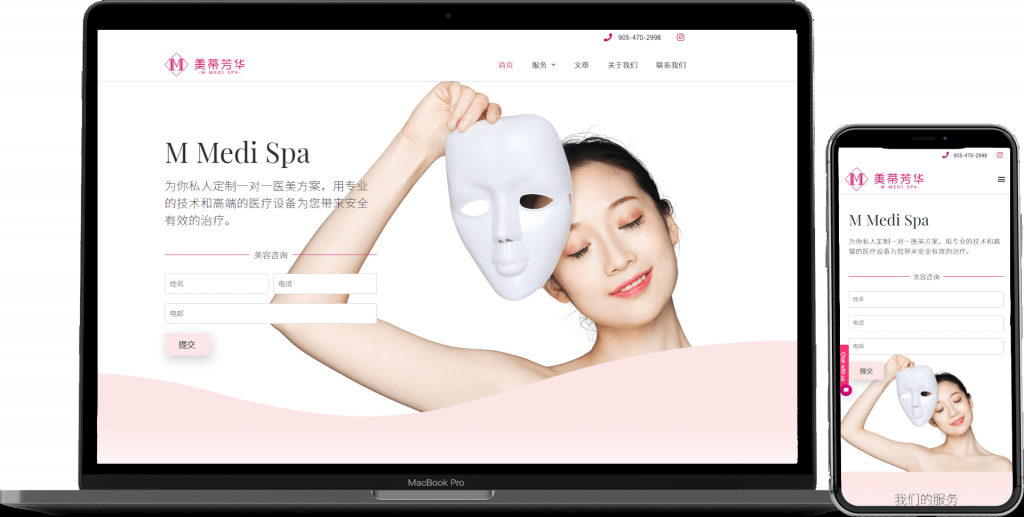
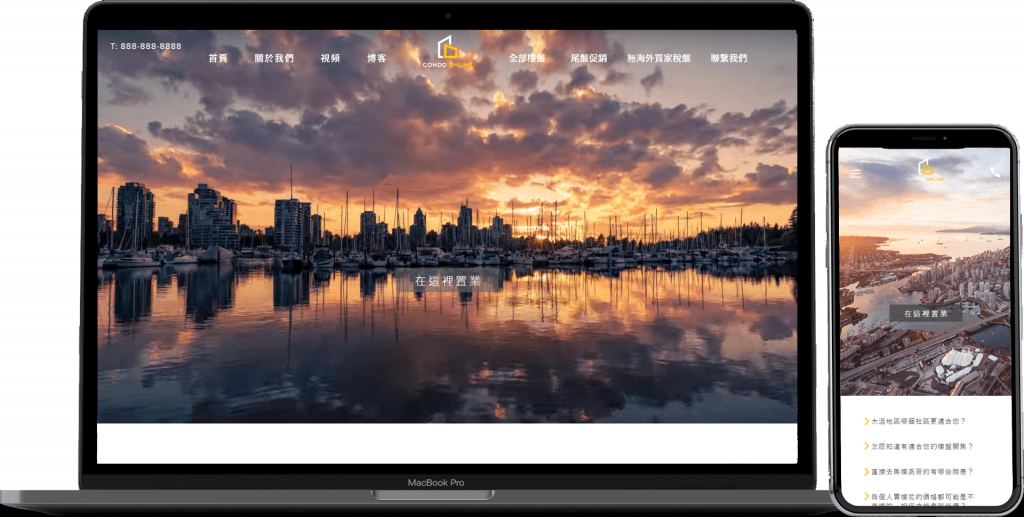
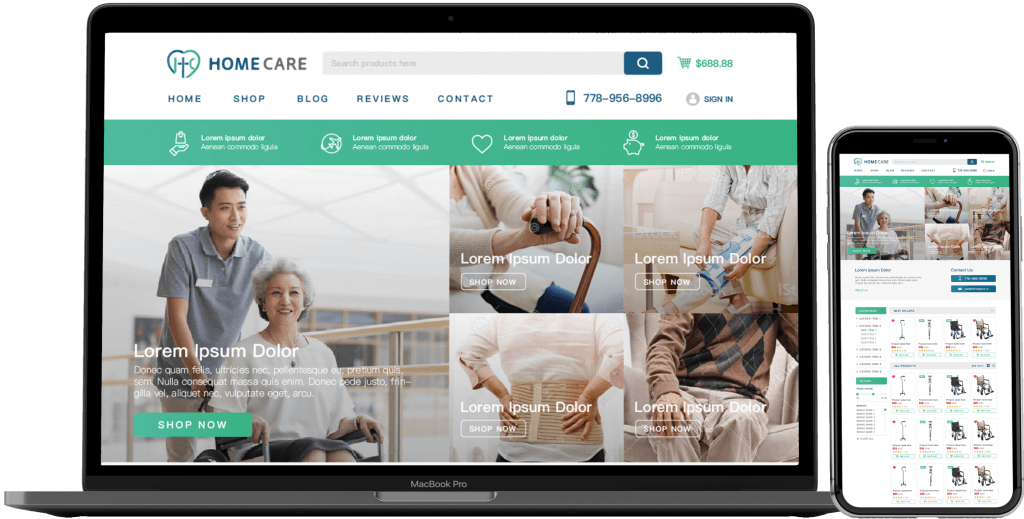
Responsive web design is more crucial now than ever before. With the increasing variety of devices that people use to browse the internet, ensuring a seamless experience across all platforms is essential. Gone are the days when websites were only accessed on desktop computers. Nowadays, users expect websites to adapt to their screens, whether they are on a smartphone, tablet, or laptop.
By implementing responsive web design, businesses can improve their reach and engagement with users. A mobile-friendly website not only enhances the user experience but also boosts search engine optimization. Search engines like Google prioritize mobile-friendly websites, making it easier for users to find your site and increasing your online visibility.
The Elements of Responsive Web Design
There are several key elements to consider when creating a responsive web design:
- Fluid Grid Layouts: Using relative units such as percentages instead of fixed units allows content to adapt to different screen sizes.
- Flexible Images: Images that can scale based on the size of the screen without losing quality are essential for responsive design.
- Media Queries: CSS media queries enable different styles to be applied based on the device’s characteristics, such as screen width.
Implementing these elements allows your website to adjust seamlessly to various devices, providing a consistent and user-friendly experience.
The Benefits of Responsive Web Design
Responsive web design offers numerous benefits to both users and businesses:
- Improved User Experience: Users can easily navigate and interact with your website, no matter what device they are using.
- Increased Engagement: Responsive design encourages users to stay longer on your site, leading to higher engagement and conversions.
- Cost-Effective: Maintaining a single responsive website is more cost-effective than managing separate desktop and mobile versions.
- SEO Benefits: Search engines favor responsive websites, resulting in better rankings and visibility.
The Future of Responsive Design
As technology continues to evolve, responsive web design will play an even more critical role in online success. With the rise of mobile browsing and new devices entering the market, businesses must prioritize responsive design to stay ahead of the competition.
By adapting to the needs and preferences of users across different devices, businesses can create a seamless and engaging online experience that drives traffic, boosts conversions, and builds brand loyalty.