The Evolution of Web Design: Top 10 Trends Setting the Stage for the Future
In today’s digital landscape, staying ahead of the curve in web design is crucial for businesses looking to captivate users and stand out amongst competitors. As technology continues to evolve, so do the trends that shape the way we interact with websites. Let’s delve into the top 10 trends that are redefining the future of web design.
1. Dark Mode Dominance
Dark mode has taken the design world by storm, offering users a visually appealing alternative that reduces eye strain and conserves battery life. This trend is here to stay, with more websites incorporating dark themes for a sleek and modern look.
2. Interactive Experiences
Gone are the days of static web pages. Interactive elements such as 3D graphics, animations, and scroll-triggered effects are revolutionizing user engagement. Websites that offer dynamic experiences keep visitors immersed and coming back for more.
3. Accessibility Matters
Web accessibility is no longer an afterthought but a fundamental aspect of design. Ensuring that websites are inclusive and accessible to all users, including those with disabilities, is essential for catering to a diverse audience and providing a seamless browsing experience for everyone.
4. Minimalism with Microinteractions
Minimalist design continues to thrive, emphasizing clean layouts and simple interfaces. Pairing this with microinteractions – subtle animations and feedback cues – adds depth and personality to websites without overwhelming users with excessive visual clutter.
5. Mobile-First Approach
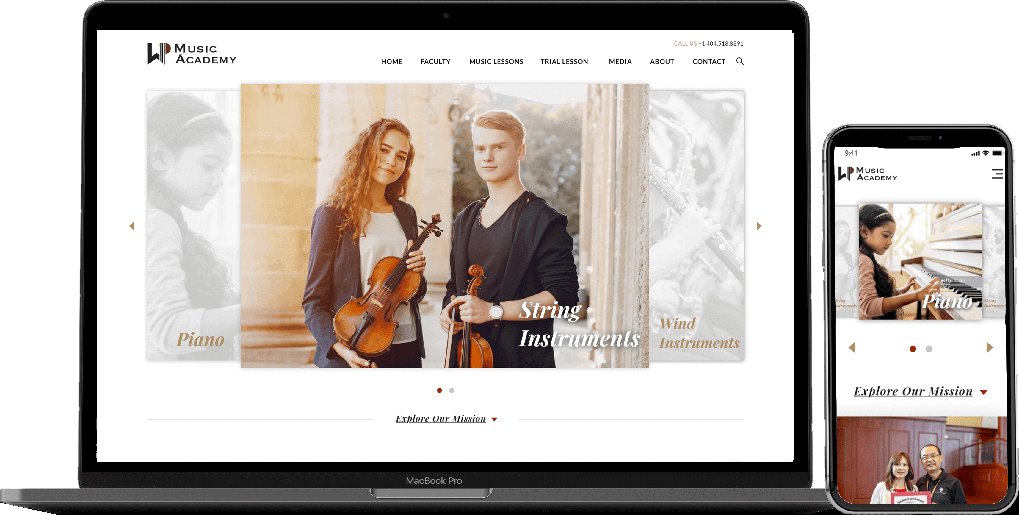
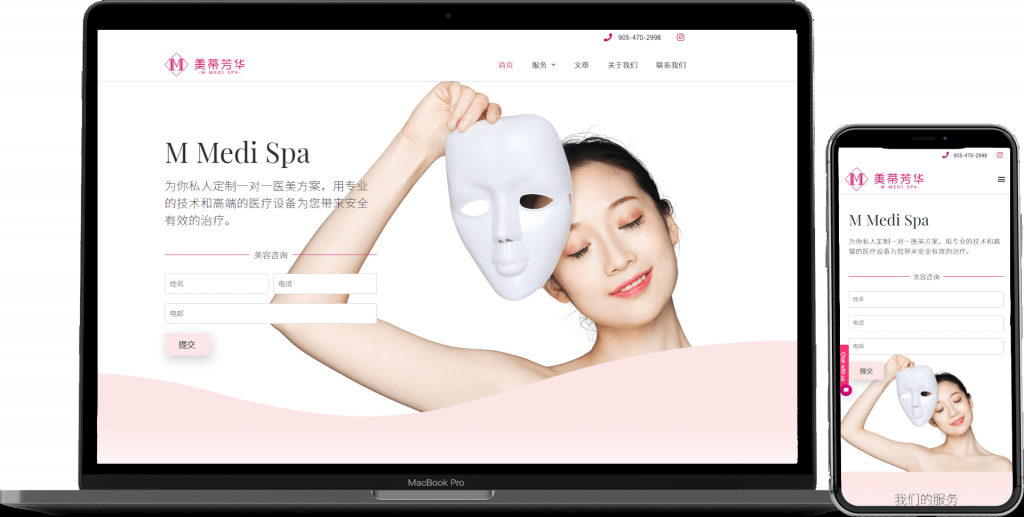
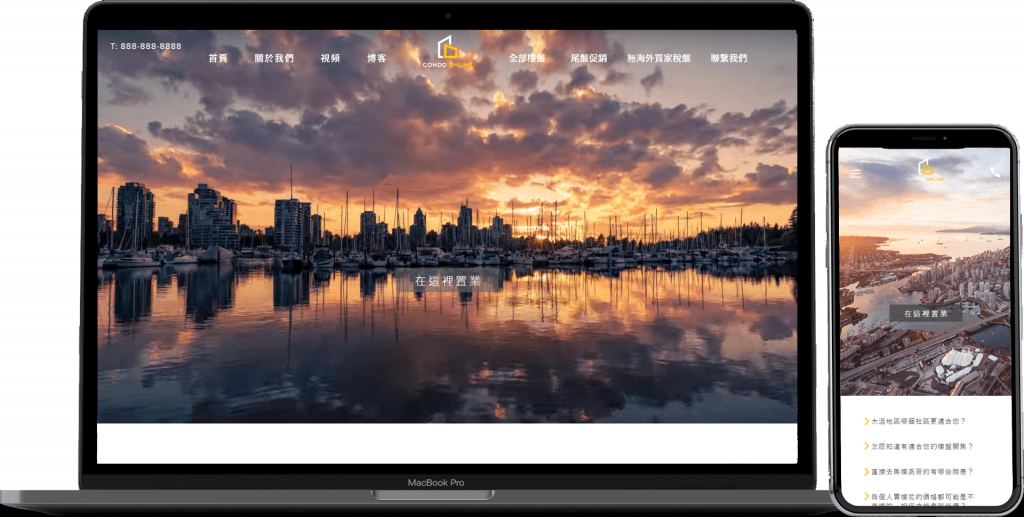
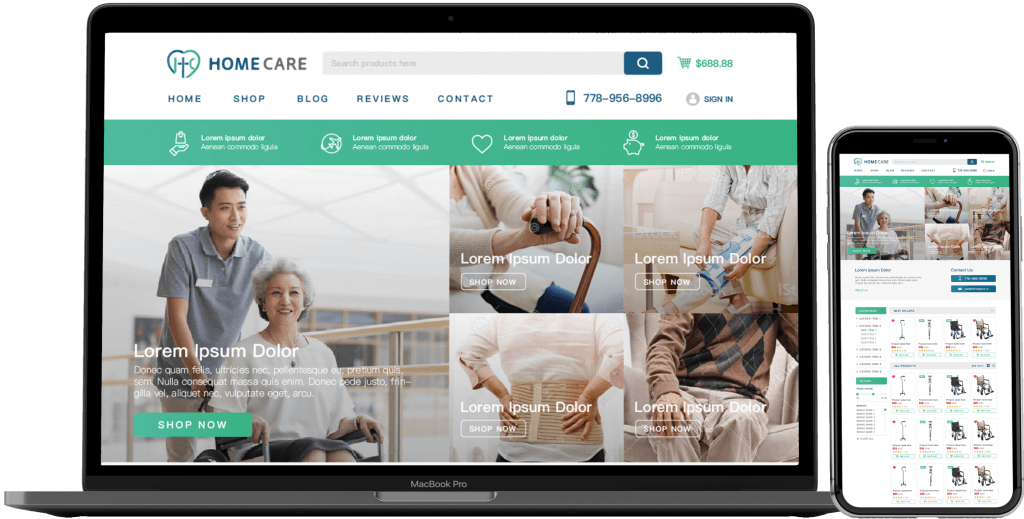
With the majority of internet traffic coming from mobile devices, designing for mobile-first has become a standard practice. Responsive design, fast loading times, and intuitive navigation ensure that websites perform seamlessly on smartphones and tablets.
6. AI Integration
Artificial intelligence is reshaping the way we interact with websites, from personalized recommendations to chatbots that provide instant customer support. Integrating AI elements enhances user experiences by anticipating needs and delivering tailored content.
7. Voice Search Optimization
As voice-controlled devices continue to proliferate, optimizing websites for voice search is paramount. Implementing voice search capabilities and structuring content to align with spoken queries enables sites to adapt to changing search behavior and improve discoverability.
8. Sustainability in Design
With a growing focus on environmental consciousness, eco-friendly design practices are gaining traction. Sustainable web design involves optimizing energy consumption, reducing carbon footprints, and using eco-friendly resources to create a more environmentally responsible web presence.
9. Augmented Reality Experiences
Augmented reality (AR) is transforming the way users interact with websites by overlaying digital information onto the physical world. Incorporating AR features like virtual try-ons or interactive product showcases adds a new dimension to user engagement and creates immersive experiences.
10. Cybersecurity and Data Privacy
Amidst increasing concerns about data privacy and security breaches, prioritizing cybersecurity measures is non-negotiable. Building trust with users through robust data protection practices and transparent privacy policies is essential for safeguarding sensitive information and maintaining credibility.
Embrace these cutting-edge trends in web design to elevate your online presence and create compelling digital experiences that resonate with your audience. Stay ahead of the curve and adapt to the evolving landscape of web design to remain relevant in an ever-changing digital world.